How to Dress for Your Body Type: The StyleMaxx Guide That Actually Helps
Learn how to dress for your body type. rectangle, triangle, inverted triangle, or oval. with cuts that flatter your frame.
The Four Male Body Types (And Why They Matter)
You've heard the advice: "Dress for your body type." But what does that actually mean? Most style articles throw around vague terms like "apple" and "pear" and then tell you to buy a bunch of specific garments. That's not helpful. The principle is simple: use clothing to create visual balance. If your shoulders are narrow, you add visual width up top. If your waist is thick, you create the illusion of taper. Everyone can benefit from understanding proportion.
The four male body types we'll cover are: Rectangle (little shoulder-to-waist taper), Triangle (larger lower body, narrower upper), Inverted Triangle (broad shoulders, narrow waist/hips), and Oval (soft midsection, less definition). You likely identify with one more than others, but many guys are hybrids. That's fine; we'll focus on the dominant characteristics.
Rectangle: Creating the Illusion of Taper
The rectangle body type is defined by shoulders, waist, and hips that are roughly the same width. There's little natural taper. The goal is to create the appearance of a wider upper body and/or a narrower waist.
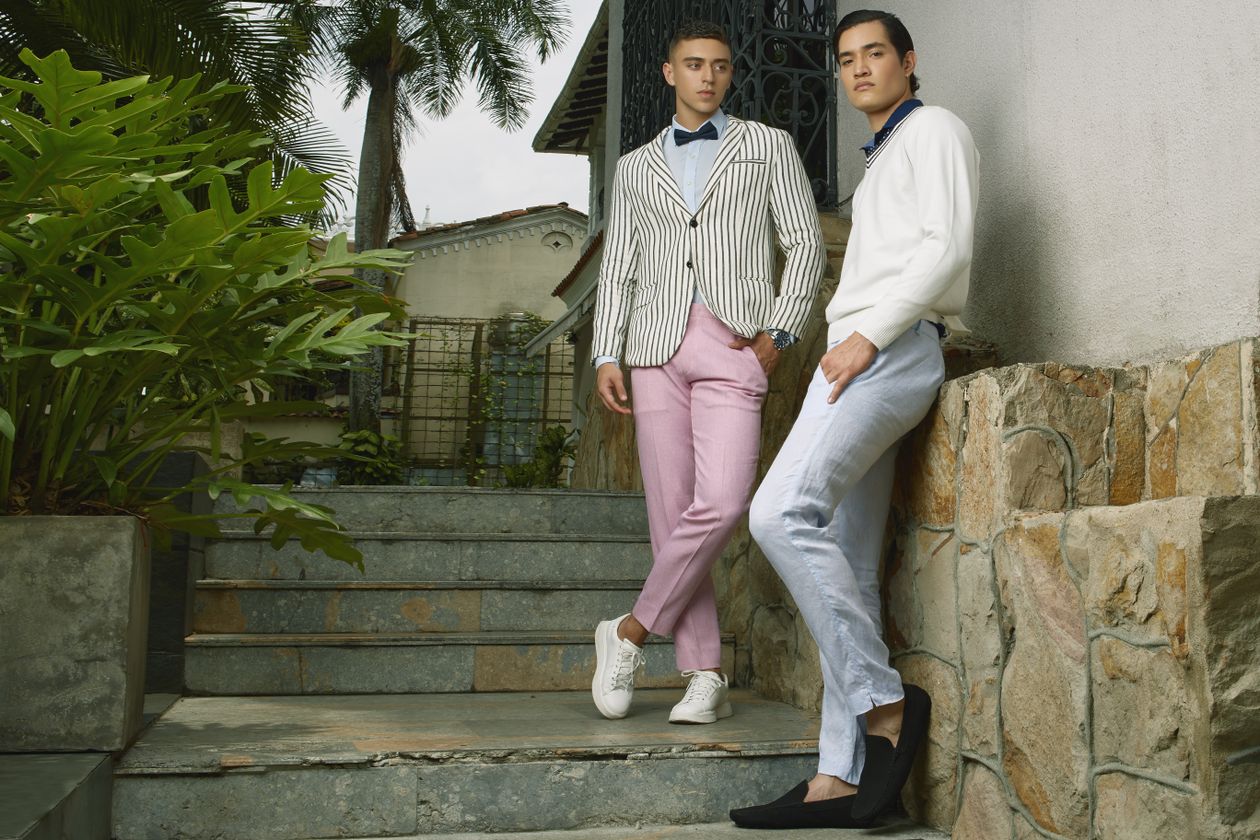
Focus on shoulder-broadening techniques: jackets and blazers with shoulder padding (subtle, not 1980s), horizontal stripes on top, and boat neck or wide necklines. Tapered trousers that narrow toward the ankle will make your waist look smaller by contrast. Avoid baggy fits that make you look like a box; you want structure.
Layering is your friend. A well-fitted blazer over a plain tee instantly adds width to the shoulders and creates a more athletic silhouette. The same goes for denim jackets or chore coats with some shoulder structure.
Triangle (or Pear): Balancing Your Proportions
The triangle body type has larger hips and thighs relative to the shoulders. The waist is often defined but the lower body dominates visually. The goal is to add width and interest to the upper body while keeping the lower half clean and vertical.
Avoid detailing on the hips or thighs. no cargo pockets, no excessive distressing on jeans that draws the eye downward. Tapered or straight-leg trousers work better than widened legs, which can make the lower body appear even larger. Darker colors on bottom, lighter or more patterned on top, create a visual upward pull.
For tops, choose collared shirts, horizontal stripes, graphic tees with prints centered on the chest, and jackets with shoulder structure. The objective is to make the eye stop around the chest and shoulders, not drift down to the hips.
Inverted Triangle: Softening the Upper Body
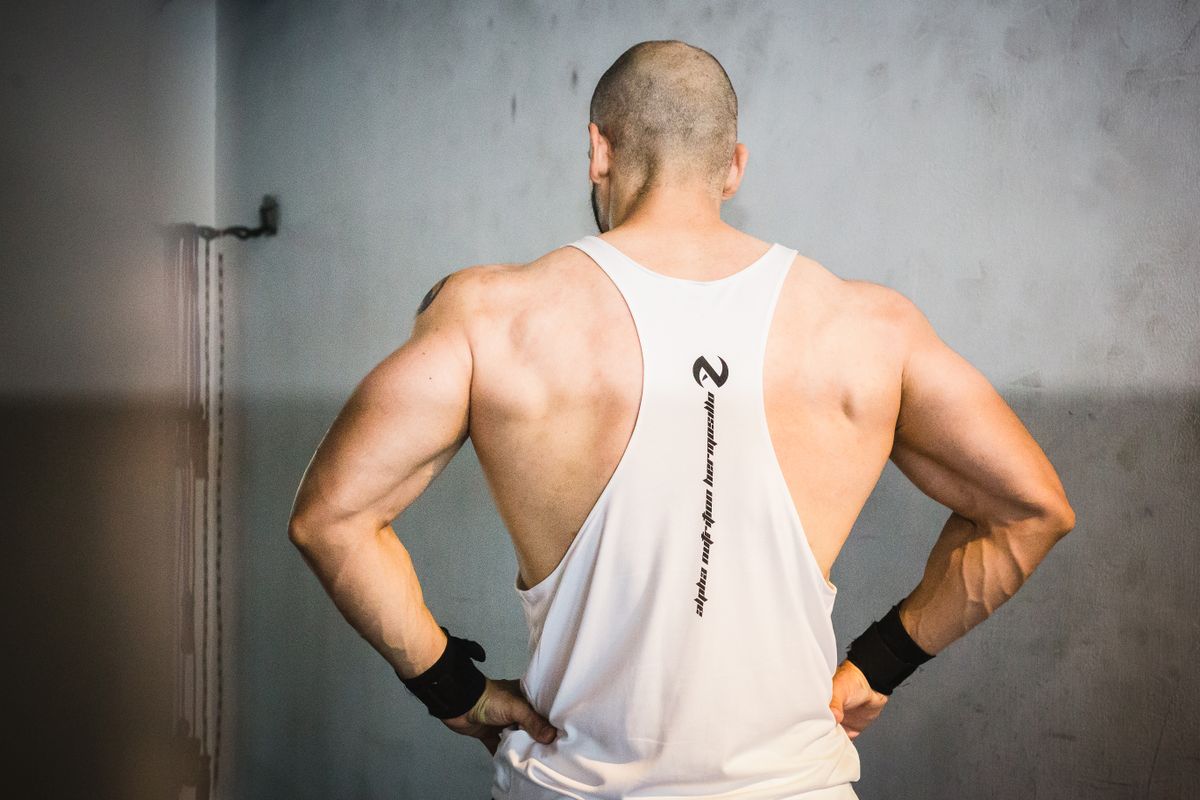
The inverted triangle is the classic "swimmer" or "V-taper" build: broad shoulders, small waist, narrow hips. You're already ahead in the proportions department, but the risk is looking top-heavy or overly muscular in a uniform way. The goal is to add some visual weight to the lower body and avoid adding more bulk up top.
Skip shoulder padding. you already have width. Choose simpler tops without horizontal patterns or chest pockets that add bulk. V-necks are great because they create a vertical line that makes the upper body appear longer and leaner. Avoid boxy fits that make you look like a triangle.
For bottoms, choose slightly looser fits. straight-leg jeans, chinos with a bit of room, or even bootcuts (subtle) to add balance. Mid-rise waistlines help avoid the "small waist" look that exaggerates the taper. Darker colors on top, lighter on bottom can also help balance.
Oval: Streamlining for Length
The oval body type features a softer midsection with less definition. The goal is to create a vertical line that elongates the torso and avoids adding bulk around the waist.
Avoid tight-fitting clothes that cling to the midsection; they highlight what you're trying to minimize. Instead, choose shirts with a little room that drape cleanly. Open-front layers like unbuttoned shirts over plain tees create a vertical line that breaks up the torso. Darker colors on top are slimming; vertical stripes add length.
For trousers, choose a mid- or high-rise that sits at or above the natural waist. This avoids the "muffin top" effect and provides a clean line. Tapered legs keep the silhouette sharp. Avoid low-rise jeans at all costs. they create a bulge above the waistband.
Consider longer jackets that hit mid-thigh; they create a continuous vertical line and camouflage the midsection. A well-fitted blazer with some structure can also help define the shoulders and create a more rectangular silhouette.
Universal Principles That Apply to Every Body Type
Some rules apply no matter your proportions. Fit is king. Clothing that's too big looks sloppy; clothing that's too tight is unflattering. Aim for a tailored look without being restrictive. Shoulder seams should align with the end of your shoulder; sleeves should hit the wrist bone; trousers should have a slight break at the shoe.
Colors and patterns matter. Darker colors are slimming and create visual receding; lighter or brighter colors advance and draw attention. Use this to highlight areas you want to emphasize and de-emphasize areas you'd rather downplay. Horizontal lines add width; vertical lines add height. Monochromatic outfits create a continuous line that makes you look taller and leaner.
Fabric choice influences how clothing drapes. Stiffer fabrics (denim, canvas, structured wool) hold shape and add volume. Softer fabrics (jersey, draping cotton) follow the body and can be more forgiving. Choose based on the effect you want.
Fabric, Fit, and Function: The Non-Negotiables
Quality fabrics feel better and last longer. Natural fibers like cotton, wool, and linen breathe better than synthetics, though modern blends can be excellent. Avoid cheap, thin materials that cling or look disposable.
Fit cannot be overstated. Even the most expensive shirt looks bad if it's baggy in the torso or has sleeves that go past your wrists. If you're between sizes, size down and have it tailored. A $50 shirt taken in for $20 looks better than a $200 shirt that doesn't fit.
Function matters. You're not just building a wardrobe for Instagram; you're dressing for real life. Consider your daily activities. If you bike to work, skinny jeans aren't practical. If you work in an office, hoodies might not cut it. Your wardrobe should reflect your lifestyle first and aesthetic second. That said, you can almost always find functional pieces that also follow aesthetic principles.
Building a Wardrobe That Works For You
Start with the capsule wardrobe concept: about 12-15 versatile pieces that mix and match effortlessly. Include: well-fitting t-shirts (2-3 in solid neutrals), button-down shirts (2-3, at least one collared for layering), sweaters or hoodies (2), denim or chinos (2-3 pairs), a blazer or jacket, and a couple of outerwear options if needed. Build in layers and stick to a cohesive color palette (navy, gray, olive, white, black are easy to mix).
As you add pieces, think about how they affect your silhouette. Does this jacket add shoulder width? Do these pants taper enough to define my waist? Does this pattern draw the eye where I want it? You become your own stylist over time.
And remember: style is not about following every trend. It's about understanding principles and applying them consistently. The guy who dresses for his body type in simple, well-fitting clothes will always look better than the guy who wears the latest drops but ignores fit and proportion. Master the fundamentals, then experiment.