Progressive Overload: The Only Training Principle That Actually Matters
Your entire gym routine should revolve around one principle: progressive overload. Everything else is commentary.
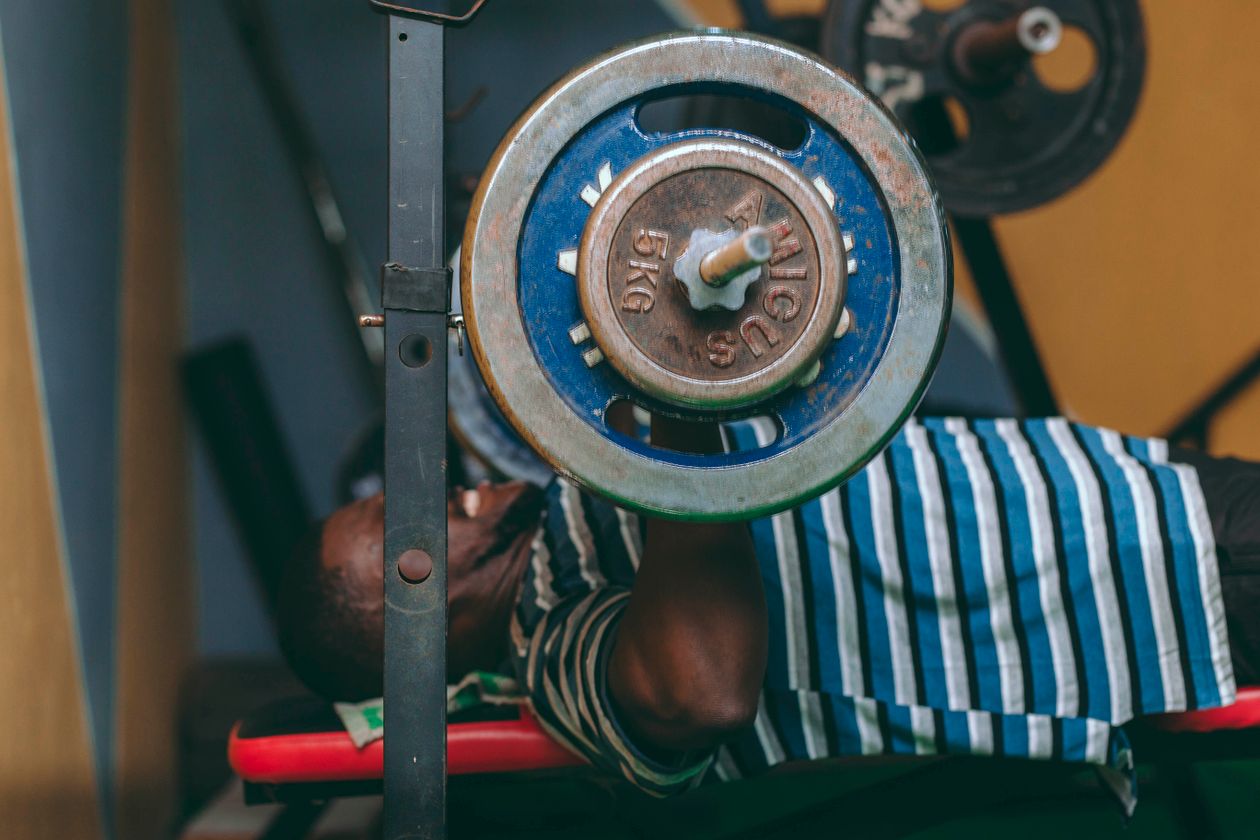
The Only Principle That Matters
You walk into any commercial gym and you see the same scene: the guy who spends more time on his phone between sets than lifting, the guy who follows a different split every week downloaded from the latest influencer, the guy who can recite muscle insertions but can't deadlift his own bodyweight. They're all training, sure, but they're not getting stronger, they're not gaining muscle, they're not progressing. The reason is simple: they haven't grasped the one principle that separates improvement from maintenance. That principle is progressive overload.
Progressive overload is the systematic increase of stress placed on the body during training. It's the cornerstone upon which all physical adaptation is built. Your body is incredibly efficient; it adapts to the demands you place on it. Once it adapts, further gains cease unless you increase those demands. This is not bro science; it's fundamental exercise physiology. Every training program is just a vehicle to deliver overload. The vehicle is not as important as the consistent increase in load. Whether you push, pull, squat, or hinge, the core mechanic remains the same: you must lift more, do more, or stress the muscle more over time to force adaptation.
Many beginners experience rapid gains simply because any new stimulus is an overload compared to their untrained state. That's the honeymoon phase. You add 10 pounds to the bar each week and grow like a weed. That's linear progression at its finest. But the human body adapts. That linear lane eventually ends. Your progress slows, then stalls. That's when most people panic and start searching for a new split, a new supplement, a new magic bullet. But the solution isn't a new program; it's a better understanding of how to continue overloading when linear gains aren't possible anymore. There are multiple levers you can pull: weight, reps, sets, frequency, technique, rest periods, time under tension. The savvy trainee learns to manipulate these variables to keep the stimulus increasing.
The power of progressive overload lies in its simplicity. It cuts through the noise of the fitness industry. You don't need the newest pre‑workout, the most expensive gym, or the most intricate split. You need a way to do more over time. That's it. That clarity is liberating. It means you can stop worrying about whether you're following the perfect routine and start focusing on the only thing that actually matters: are you lifting more this month than last month? If the answer is yes, you're on the right track. If no, it's time to adjust your programming or your recovery.
How to Apply Progressive Overload
So how do you actually increase overload? There are four primary methods, each with its own strengths and ideal use cases. Most effective programs combine several of these over the course of a training cycle.
1. Increase the weight. The most direct and objective method. If you squatted 315 for 5 last week, this week aim for 320 for 5. This is linear progression, the simplest and fastest way to gain strength for beginners and early intermediates. The jump can be as small as 2.5 pounds for upper body and 5 pounds for lower body if that's what you can manage. Adding weight forces your muscles to recruit more fibers and your nervous system to become more efficient. However, you cannot add weight indefinitely in a straight line; you will eventually plateau. That's where the other methods come in.
2. Increase the number of reps with the same weight. When adding weight becomes impossible, you can still do more reps with the same load. Moving from 8 to 9 to 10 reps with 185 on the bench is an increase in volume. Volume (sets × reps × weight) is the primary driver of muscle hypertrophy according to strength‑science research. Rep progression allows you to build work capacity and eventually make the jump to the next weight with confidence. It also provides a psychological boost when weight increases stall.
3. Increase the number of sets. Doing more total sets for a muscle group increases the total work done. If you've been doing 3 sets of bench, adding a fourth set increases volume and time under tension. This method is especially useful when both weight and reps have stalled. But there is a ceiling; excessive sets lead to overtraining and injury. Most natural lifters thrive on 10-20 hard sets per muscle group per week. Start at the lower end and add sets gradually as recovery allows.
4. Increase the frequency. Training a muscle group more often per week gives you more opportunities to accumulate volume and practice the movement pattern. Instead of a traditional bro split where each muscle is trained once per week, an upper/lower or push/pull/legs split can hit each muscle 1.5‑2 times per week. This increased frequency often leads to faster strength gains because of improved motor learning and more frequent stimulus. But it requires careful management of volume per session to avoid overuse injuries and ensure adequate recovery between sessions.
There's a fifth, less quantifiable but equally important method: improve technique and range of motion. A deeper squat, a full lockout on the bench, a controlled eccentric phase, or better mind‑muscle connection can make each rep more effective without changing the weight. This is essentially increasing the quality of the stimulus. Better technique also reduces injury risk and ensures the target muscles are doing the work. Always prioritize form before adding load.
In practice, a well‑structured 8‑12 week mesocycle might focus on linear weight progression for the first 4 weeks, transition to rep progression for the next 4, and then add a set or two before a deload. The key is to have a systematic plan to increase overload in some form each week, and to measure it.
Tracking and Avoiding Plateaus
Progressive overload is impossible without tracking. If you don't record what you did last session, you have no baseline to beat. Relying on memory is a losing strategy; you'll forget details, misremember weights, and fail to see trends. You need an objective record.
Every workout should be logged with: date, exercise, weight, reps, sets, rest times, and Rate of Perceived Exertion (RPE). RPE is a 1‑10 scale describing how hard the set felt; most serious lifters aim for 8 or 9 on working sets, meaning they could have done 1-2 more reps with good form. Noting RPE helps you understand when you're fatigued and need to back off, or when you could have pushed harder. The log can be a physical notebook, a spreadsheet, or a dedicated app like Strong, Hevy, or JEFIT. The tool doesn't matter as long as you use it consistently.
Review your log weekly and monthly. Are your main lifts going up? If not, look at your total volume: are you doing more reps or sets than last month? If volume is also flat, the issue is either your programming or your recovery. Keep separate logs of bodyweight, waist measurement, and sleep hours. If strength is increasing but waist is expanding rapidly, you might be gaining too much fat during a bulk. If strength is stagnant and you're losing weight, you're likely not eating enough to support muscle growth. The numbers tell the story.
Plateaus are inevitable. When you stall on a lift for 2-3 consecutive sessions, it's time to consider a short deload: reduce volume and intensity for a week to allow full recovery, then resume progression. Also check the basics: are you sleeping 7-9 hours? Eating at least 0.7 grams of protein per pound of bodyweight? Consuming enough total calories? Managing stress? Progressive overload only works if your body has the resources to repair and grow. Without adequate nutrition and rest, you're just digging a deeper hole.
The Traps That Sabotage Gains
Even lifters who understand progressive overload often fall into these common traps, sabotaging their progress without realizing it.
Ego lifting. Adding weight at the expense of proper form is not overload; it's a recipe for injury and ineffective training. A half‑repped 225‑pound bench does not provide a greater stimulus than a full‑repped 215. Full range of motion ensures complete muscle development and joint health. If you can't complete the movement with good technique, the rep doesn't count. Never sacrifice form for weight.
Progressing too fast. The desire to add weight every single session leads to rapid burnout, overtraining, and potential injury. Your connective tissues, nervous system, and muscles need time to adapt. For most natural lifters, a realistic rate is adding 2.5‑5 pounds to upper body lifts and 5‑10 pounds to lower body lifts per month. Faster than that is usually unsustainable beyond the very beginner stage.
Changing exercises too frequently. Some coaches recommend swapping exercises every 2‑3 weeks to avoid boredom. But if you're constantly learning new movement patterns, you never accumulate enough practice to truly overload a specific lift. Strength is skill‑specific. To get stronger at the bench press, you need to bench regularly and track your progress. Changing exercises frequently resets your baseline and makes it impossible to know if you're actually getting stronger. Stick with the same core movements for at least 6‑12 weeks before introducing variations.
Neglecting recovery. Training is the stimulus; growth happens during rest. Many athletes train intensely but then stay up late, eat poorly, and live in a constant state of stress. Sleep, nutrition, and stress management are not optional extras; they're integral parts of the progressive overload system. Without them, you'll never fully capitalize on the overload you're applying.
Confusing activity with overload. Doing endless sets of bicep curls with 20‑pound dumbbells might fatigue the muscle, but if the intensity is below 60% of your 1RM, the hypertrophic stimulus is weak. The most effective rep range for building muscle is 6‑15 reps with weights that leave 1‑2 reps in reserve. Light weight high‑rep work has its place, but as a supplement, not the foundation. The core of your program should be heavy enough to force adaptation.
The bottom line is this: progressive overload is the only principle that matters. Everything else is secondary. Apply it intelligently, track it obsessively, avoid these traps, and you will gain muscle and strength. There is no secret shortcut. There is no magic routine. There is only the relentless application of more demand over time. Now go lift.