Gut Health Protocol: Probiotics, Fiber, and Fermented Foods Explained
The complete guide to optimizing gut health with probiotics, fiber, and fermented foods for better skin, mood, and body composition.

Your Gut Is Running Your Face Card Behind the Scenes
Most guys think gut health is something their grandma worries about. Meanwhile, their skin is breaking out, their energy crashes every afternoon, they are bloated after every meal, and they cannot figure out why their body composition stalled despite eating clean and training hard. The answer is almost always the same: your gut is a mess, and it is dragging everything else down with it.
The gut microbiome is the collection of trillions of bacteria, fungi, and other microorganisms living in your digestive tract. When this ecosystem is balanced, you digest food efficiently, absorb nutrients properly, and maintain a strong intestinal barrier. When it is disrupted, a cascade of problems follows. Systemic inflammation increases, which directly degrades your skin quality and contributes to breakouts and redness. Nutrient absorption drops, meaning all that protein and those supplements you are paying for might not actually be reaching your muscles. Your mood and cognitive function suffer because roughly 90 percent of your serotonin is produced in the gut. And your body fat regulation gets thrown off because certain gut bacteria are more efficient at extracting calories from food, leading to weight gain even on a controlled diet.
The gut skin axis is one of the most important connections in looksmaxxing, and almost nobody talks about it. Research consistently shows that people with acne, rosacea, and eczema have different gut microbiome profiles compared to people with clear skin. Dysbiosis, an imbalance in gut bacteria, triggers immune responses that manifest as skin inflammation. If you are spending hundreds on skincare but ignoring your gut, you are treating the symptom while the cause keeps firing. Fixing your gut is one of the highest ROI moves you can make for your face card.
Probiotics: Strains That Actually Do Something
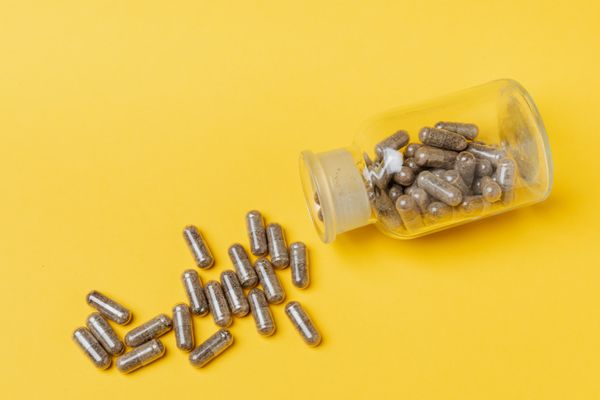
Not all probiotics are equal. The supplement aisle is full of products with flashy labels and useless dosages. Here is what actually matters when choosing a probiotic.
First, look at the strain, not just the genus. Lactobacillus and Bifidobacterium are the two most common genera, but within each there are dozens of strains with different effects. Lactobacillus rhamnosus GG is one of the most researched strains for gut barrier integrity and immune function. Bifidobacterium longum has strong evidence for reducing inflammation and improving stool frequency. Lactobacillus plantarum is particularly effective for reducing bloating and supporting the gut skin axis. When you buy a probiotic, the label should list specific strain designations, not just the genus.
Second, check the CFU count. CFU stands for colony forming units, which tells you how many live bacteria are in each dose. A probiotic with less than 5 billion CFU per serving is unlikely to colonize your gut meaningfully. The sweet spot for daily maintenance is 10 to 30 billion CFU. For recovering from a course of antibiotics or a period of poor diet, you may want 50 billion or more for a few weeks. Look for products that guarantee CFU count at expiration, not just at manufacture. Many cheap probiotics lose viability by the time you open the bottle.
Third, storage matters. Some probiotics require refrigeration to maintain potency. Others are freeze dried and shelf stable. If you buy a refrigerated probiotic and leave it on your counter for a week, the bacteria are likely dead. Follow the storage instructions on the label. A quality shelf stable probiotic with proper encapsulation technology is often more convenient and equally effective.
Finally, probiotics are not a magic bullet. They do not work in a vacuum. If you take a high quality probiotic but eat a diet devoid of fiber, the beneficial bacteria will starve and die off. Probiotics need prebiotics to survive and thrive. Which brings us to the next piece of the protocol.
Prebiotic Fiber: Feeding the Right Bacteria
Prebiotics are the food that your gut bacteria eat. Without adequate prebiotic intake, your probiotic supplements are essentially stranded without fuel. Prebiotic fiber passes through your upper digestive tract undigested and reaches the colon, where your gut bacteria ferment it into short chain fatty acids like butyrate, propionate, and acetate. Butyrate is particularly important because it is the primary fuel source for the cells lining your colon, and it has potent anti-inflammatory effects throughout the body.
The minimum effective dose of fiber for gut health is roughly 25 to 35 grams per day. Most guys get less than 15 grams. That is not enough to maintain a healthy microbiome, let alone optimize it. But the type of fiber matters as much as the amount. Soluble fiber, found in oats, legumes, apples, and psyllium husk, is the most potent prebiotic. Insoluble fiber, found in whole grains and vegetables, adds bulk to your stool and supports regularity but does not feed bacteria as effectively. You want a mix of both.
Top prebiotic foods to include in your diet: garlic, onions, leeks, asparagus, bananas, oats, barley, flaxseeds, and chicory root. These foods contain high amounts of inulin, fructooligosaccharides, and galactooligosaccharides, which are the specific prebiotic compounds that beneficial bacteria thrive on. If you struggle to get enough fiber from food alone, a daily psyllium husk supplement is one of the simplest ways to close the gap. Start with a tablespoon mixed in water and work up from there. Going from 15 grams to 35 grams of fiber overnight will cause bloating and discomfort. Ramp up over two weeks.
One critical note: if you have been on a low fiber diet for years, your gut bacteria composition has adapted. You likely have fewer fiber fermenting bacteria than you should. When you suddenly increase fiber intake, you may experience significant gas and bloating because the bacteria that should be handling the fermentation are underpopulated. This is normal and temporary. As your microbiome adapts over a few weeks, symptoms subside. Push through it.
Fermented Foods: The Daily Habit That Changes Everything
Fermented foods are the most underrated category in nutrition for looksmaxxers. They combine live probiotics, prebiotic fiber, and bioavailable nutrients in a single package. Cultures around the world have consumed fermented foods for thousands of years, and modern research is confirming what traditional diets already knew: fermented foods support gut health, reduce inflammation, and improve immune function.
The key fermented foods to add to your rotation: sauerkraut, kimchi, kefir, yogurt with live cultures, kombucha, miso, and tempeh. Each of these provides a diverse range of bacterial strains that you cannot get from a single probiotic supplement. Diversity matters. The more strains of beneficial bacteria in your gut, the more resilient your microbiome is against disruption from stress, poor diet, or antibiotics.
Sauerkraut and kimchi are the easiest entry points. Two tablespoons of raw, unpasteurized sauerkraut with a meal delivers billions of live Lactobacillus bacteria along with vitamin C and fiber. Note the emphasis on raw and unpasteurized. The shelf stable sauerkraut in the condiment aisle has been heat treated, which kills the live bacteria. You need the refrigerated kind, typically found in the produce section. Kimchi offers similar benefits with added garlic, ginger, and chili, all of which have their own anti-inflammatory properties.
Kefir is essentially drinkable yogurt on steroids. It contains up to three times more bacterial strains than yogurt and is thinner, making it easy to drink or blend into a smoothie. If you tolerate dairy, kefir is one of the highest ROI fermented foods you can consume. A cup a day provides probiotics, protein, calcium, and vitamin K2. If you are lactose intolerant, coconut kefir or water kefir are alternatives, though they have less protein.
The protocol is straightforward: eat at least one serving of fermented food every day. Rotate between sauerkraut, kimchi, kefir, and yogurt. Consistency beats volume. A daily serving of sauerkraut is better than a massive dose of kimchi once a week. The bacteria need regular inputs to maintain their populations in your gut. Think of it like going to the gym. You cannot work out once a month and expect results. Same principle applies to your microbiome.
The final piece is eliminating the things that nuke your gut. Antibiotics should be a last resort, not a first response to every minor infection. If you must take them, double down on probiotics and fermented foods for two weeks after the course ends. Artificial sweeteners, particularly sucralose and saccharin, have been shown to negatively alter gut bacteria in some studies. Excessive alcohol damages the gut lining and increases intestinal permeability, which is the root cause of systemic inflammation. Chronic stress does the same through cortisol. If your gut is compromised, your skin, your energy, and your body composition will reflect it. Fix the gut, and everything downstream improves. That is the protocol. Execute it.