Shoe Mistakes Killing Your Style: The Fixes That Actually Work (2026)
Most men unknowingly sabotage their entire look with common shoe mistakes. Learn the expert fixes that instantly upgrade your style and make you more attractive.

The Shoe Mistakes Destroying Your Entire Fit
Most guys spend $200 on a jacket and $30 on shoes that look like they came out of a vending machine. Then they wonder why they don't look put together. Your shoes are the foundation of every outfit you wear. Not an afterthought. Not a footnote. The foundation. When someone glances down and sees beaten-up sneakers or shoes that don't match anything in your wardrobe, the entire fit falls apart. The jacket doesn't matter. The watch doesn't matter. The shoes have already told the whole story.
This isn't about owning expensive footwear. It's about avoiding the mistakes that make even expensive shoes look cheap. Most guys aren't making one big mistake with their shoes. They're making five small ones that compound into a permanently scuffed aesthetic. Let's break down what those mistakes are and exactly how to fix them.
Mistake One: Wearing Dead Shoes
A shoe has a lifespan. Not just in terms of wear and tear on the sole, but in terms of how it looks to everyone watching you walk. Dead shoes have creased uppers, scuffed toes, faded leather, stretched quarter panels, and heels that have completely given up. The shoe looks deflated. Worn out. Like it survived something it wasn't supposed to survive.
The fix is straightforward: retire shoes when they've hit their expiration point. This doesn't mean throwing away every pair with a scratch. A well-maintained boot develops character over time. But when the structural integrity of the shoe is compromised, when the toe box is cracked, when the sole has worn through the shank, when the leather looks more gray than brown or black, it's over. The shoe is working against you now. It's actively subtracting from your style rather than adding to it.
Set a rotation. If you wear the same pair of shoes every single day, you're destroying them twice as fast and they look twice as dead in half the time. Three to four pairs of quality shoes in rotation will last years longer than one pair beaten into the ground. Give your shoes a day to breathe between wears. Leather needs time to release moisture and regain its structure. You're not just buying shoes. You're buying a system.
Mistake Two: Ignoring Size and Fit
Too many guys are wearing shoes that don't fit. Not by a little. By a lot. The two most common errors are shoes too big and shoes too small. Shoes too big create a floppy, uncertain look. Your foot slides around inside the shoe, your stride looks awkward, and the shoe itself looks like it's wearing you. Shoes too small compress your toes, create bunions over time, and make you walk like someone who picked up the wrong size and was too proud to exchange them.
Your true shoe size isn't what you think it is. Most guys have never been properly measured. Go to a quality shoe store, stand on the Brannock device, and get an accurate reading including width. Your left and right foot might be different sizes. Buy for the larger foot. Your toes need room in the toe box, approximately half an inch of space between your longest toe and the end of the shoe. The width should feel snug but not tight across the widest part of your foot.
The most common fit failure is in sneakers. Guys wear sneakers that are a full size too big because they think break-in room means cavernous extra space. It doesn't. A properly fitting sneaker should feel secure across the midfoot and heel with room to flex your toes. If you're falling out of your sneakers when you walk, they're too big. If your pinky toe is curling under to fit inside the box, they're too small. Neither scenario is acceptable. Get the tape measure out. Do the work.
Mistake Three: Every Occasion, Same Shoe
Wearing your gym trainers to a dinner, your dress boots to a casual hangout, your scuffed sneakers to an interview. These aren't style crimes that require a fashion arrest. These are functional mismatches that tell everyone around you that you don't understand context. Style isn't just about what looks good. It's about what fits the moment.
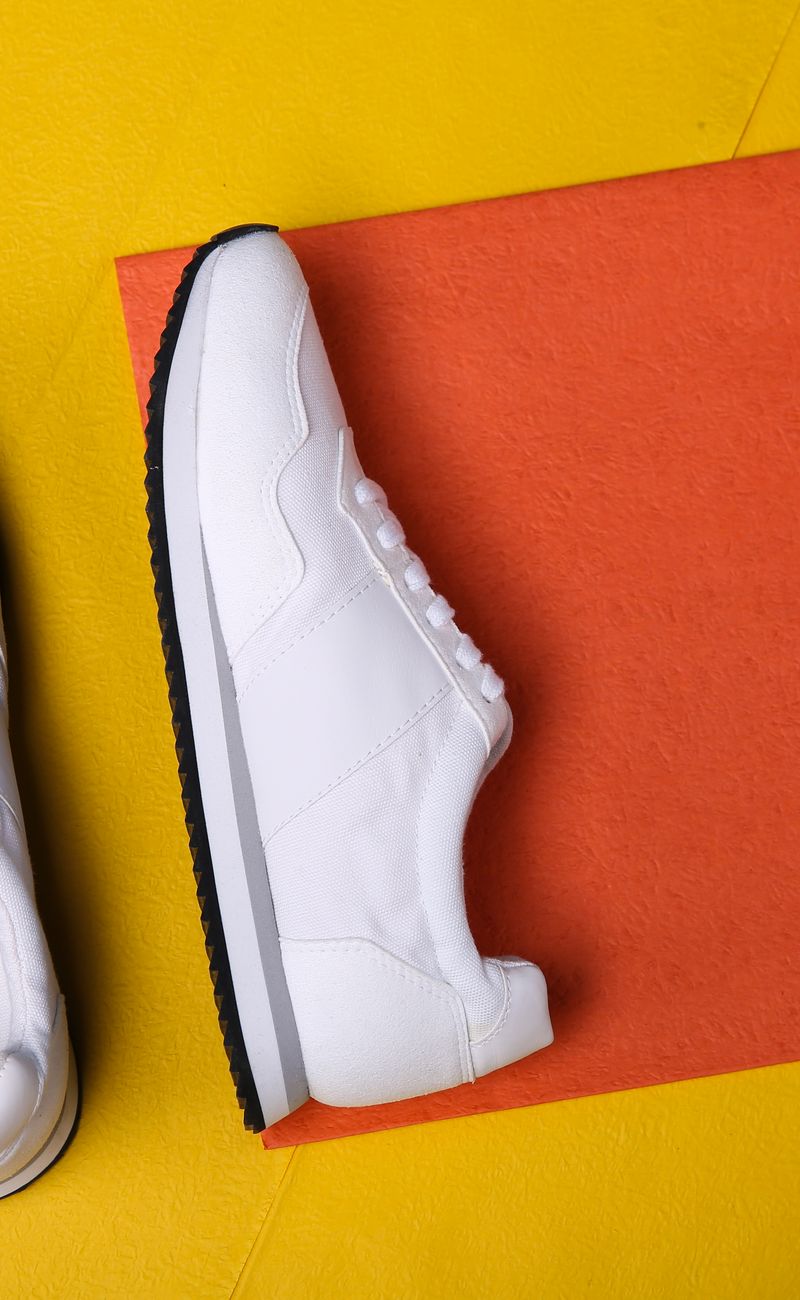
Build a small wardrobe of purpose-specific shoes. One pair of clean white or cream leather sneakers for casual and smart-casual occasions. One pair of clean dress shoes in black or brown for formal and business settings. One pair of suede boots or chelsea boots that bridge the gap between casual and dressed up. One pair of genuine training shoes for the gym that you're not wearing anywhere else. That's four pairs. Four pairs will cover 90 percent of every situation a guy encounters. The guy who owns four pairs and rotates them properly looks infinitely more considered than the guy who owns twenty pairs and wears the wrong ones every time.
Context matters. Know what the occasion asks for and deliver. An interview with a startup doesn't require patent leather oxfords. A Saturday afternoon coffee run doesn't require cap-toe oxfords. Match the formality of the shoe to the formality of the setting. When in doubt, go slightly more dressed down rather than slightly more dressed up. Over-dressing reads as trying too hard. Under-dressing reads as not trying at all. There's a sweet spot and it comes from paying attention to what people around you are wearing.
Mistake Four: Color Chaos and Coordination Failures
The shoe needs to belong to the outfit. This sounds obvious but most guys don't execute it. They wear black shoes with brown pants. They wear white sneakers with navy pants that have zero grounding or connection to the shoes. They wear brown boots with black jeans and wonder why the outfit feels disjointed. Color coordination isn't complicated once you understand the basic rules.
Black shoes work with black pants, charcoal pants, and navy pants. They are not compatible with brown, tan, khaki, olive, or light gray pants unless you're running a deliberate high-contrast aesthetic play, which requires more skill than we're discussing here. Brown shoes work with brown pants, khaki pants, olive pants, navy pants, and gray pants. They are not compatible with black pants unless you're specifically going for the tonal contrast look, which again requires more deliberate coordination. White sneakers are the most versatile shoe in your closet. They work with jeans, chinos, shorts, and nearly every casual pant color except maybe the darkest shades, and even then they can work with the right sock choice.
The belt rule is not optional. Your belt should match your shoes. Not similar to. Not close enough. Match. Brown leather belt with brown leather shoes. Black leather belt with black leather shoes. This is the single fastest way to look like you know what you're doing. It signals attention to detail without anyone being able to articulate exactly why it looks right. It's the cheat code of men's style and yet somehow half of guys ignore it completely.
Mistake Five: Zero Maintenance Protocol
You bought the right shoes. You wear them in rotation. They fit properly. And then you store them in the box they came in, shoved in the back of a closet, without any maintenance between wears. This is how you turn a $250 pair of boots into a $100 pair of boots in 18 months and then wonder why they fell apart.
Shoes need maintenance. Leather shoes need leather conditioner applied every few months to prevent cracking and drying. They need polish to maintain their color and protect the surface. They need shoe trees inserted when you're not wearing them to absorb moisture and maintain the shape of the upper. The cedar shoe trees are not optional. They are the minimum viable maintenance for leather footwear.
Sneakers need love too. The white leather sneaker that looked pristine at purchase will look gray and grimy within two months if you're not keeping up with it. A soft bristle brush, some mild sneaker cleaner, and five minutes after each wear will keep them looking fresh. Don't wear your white sneakers in conditions that will destroy them. They're not rain shoes. They're not mud shoes. They're not winter boots. They're white sneakers and they require the wearer to exercise some basic judgment about where they're wearing them.
Rotate your shoes. Let them rest between wears. Clean them before they get to the point of no return. Polish leather shoes monthly if you wear them weekly. Replace worn soles before they become trip hazards. Replace laces when they start fraying. These are not glamorous tasks. They are the unglamorous maintenance that separates a guy whose shoes always look good from a guy whose shoes looked good once, six months ago, before he stopped caring.
Mistake Six: The Silhouette Disconnect
Your shoes change the silhouette of your body. A bulky high-top sneaker makes your legs look shorter and your feet look larger. A sleek low-profile shoe lengthens the line of your leg and makes you look taller and leaner. A chunky boot with a thick lug sole adds visual weight to your lower body. A slim dress shoe keeps the line clean and elongates the leg.
Most guys aren't thinking about silhouette when they buy shoes. They think about whether they like the shoe in isolation. The shoe in isolation is irrelevant. What matters is how the shoe interacts with your pants, your legs, and your overall body proportions. If you're a shorter guy, avoid high-tops and extremely chunky soles. Go for low-profile sneakers and sleek dress shoes that create a longer visual line. If you're a bigger guy, you can handle more substantial footwear without it looking disproportionate. The silhouette principle is simple: sleeker shoes create longer lines. Bulky shoes shorten and widen.
Match the visual weight of the shoe to the visual weight of your build and your pants. If you're wearing slim pants, a chunky sneaker looks ridiculous. The contrast is jarring and it breaks the line. If you're wearing relaxed or wide-leg pants, a sleek dress shoe can look underdressed and out of place. The shoe needs to feel like it belongs with the pants you're wearing. When the silhouette flows from top to bottom without interruption, the outfit looks intentional. When the shoe creates a jarring break in the line, the outfit looks like you got dressed in the dark.
The Shoe System That Actually Works
Here's the protocol. Buy four pairs of shoes that cover your bases. One pair of white leather low-profile sneakers for casual and smart-casual. One pair of brown chelsea boots or dress boots for versatility. One pair of black or brown dress shoes for formal occasions. One pair of genuine training shoes for the gym only. Everything else is optional. These four pairs, maintained properly and worn in rotation, will serve you better than twenty pairs of shoes you don't take care of.
Get measured properly. Buy the right size. Match your belt to your shoes. Replace shoes when they're dead, not when you're emotionally attached to them. Take care of leather when it needs conditioning. Keep sneakers clean. Store shoes properly with trees or on shelves where they maintain their shape. This is not complicated work. It doesn't require a massive budget. It requires consistency and attention.
The guy who has four clean, well-maintained, properly fitting shoes that match his wardrobe will always look better than the guy who has twenty shoes and none of them match anything he owns. Quality over quantity. Rotation over abuse. Maintenance over replacement. That's the shoe protocol. Execute it and stop leaving style points on the floor.