Outfit Formula System: Build Your Signature Style (2026)
Stop guessing what to wear every morning. This complete outfit formula system teaches you how to build a signature style that looks intentional, elevates your appearance, and works for any occasion without overthinking it.

Why Your Closet Is a Mess and Your Outfits Are Worse
Most guys own 40 pieces of clothing and have zero outfits. They stand in front of the closet each morning like it owes them something, grab whatever is clean, and wear it with a resigned sigh. This is not a wardrobe problem. This is a systems problem. You have clothes but you do not have a formula, and without a formula you will never develop what the looksmaxxing community calls a signature style. A signature style is not about being fashionable. It is about being recognizable. It is about having people see your general aesthetic from across the room and know it is you. That level of consistency does not come from trend-hopping or copying outfits from internet guides. It comes from having a small collection of complementary pieces that always work together and always look intentional.
The guy who looks put together every single day is not luckier than you. He is not more creative. He figured out a formula and he runs it on repeat. That is the entire secret. Most guys think building a style means buying new things constantly, chasing micro-trends, and spending mental energy on outfit planning every morning. Wrong. The goal is to eliminate choice fatigue entirely by building a system so clean that getting dressed takes 3 minutes and always produces a solid result. You do not need more clothes. You need fewer, better pieces that interact with each other in reliable ways. This article is the formula. Follow it and by week three you will never stand in your closet feeling lost again.
The outfit formula system is not new. Designers and stylists use some version of it every day. The idea is simple: certain silhouettes, colors, and proportions work together in predictable ways. Once you understand those rules you can remix the same 15 pieces endlessly and never repeat an outfit while always looking cohesive. The system works for bodybuilders who need to accommodate a frame, for skinny guys who want to look solid, for tall guys who need proportion balance, for short guys who need to optimize vertical lines. The beauty of a formula is that it adapts to your physical reality rather than demanding you fit into someone else's aesthetic. Your signature style will be yours because it is built on your frame, your coloring, and your actual lifestyle.
The Three Pillars of Every Great Outfit
Every outfit that lands correctly is constructed on the same three pillars: silhouette, color, and texture. Silhouette is the shape your body makes when you are wearing the clothes. This is determined by the relationship between your shoulders, your waist, and your legs. A relaxed fit tee tucked into straight-leg chinos creates a completely different silhouette than a slim fit sweater worn loose over slim pants. Neither is better. They are different aesthetics. Understanding silhouette is the difference between wearing clothes and wearing an outfit. Color is the second pillar and it is where most guys self-destruct. They own nothing but black, navy, and grey and then wonder why every outfit looks the same. The formula does not demand you become a color theory expert. It demands you own 3 base neutrals that work together and 2 accent colors that complement your skin tone and can appear in multiple pieces. That is enough range to never repeat an outfit while still staying inside your lane.
Texture is the third pillar and it is criminally undervalued by guys building their first real wardrobe. Texture is what you see when fabric catches light differently. A chunky knit sweater looks completely different from a smooth piqué polo even if they are the same color. A denim jacket reads differently from a chore coat even if both are in indigo. When your outfit has texture variation, even boring color combinations look intentional and expensive. A navy quarter-zip over a white oxford with raw denim and white sneakers has three textures: knit, woven, and denim. It is minimal color-wise but it looks considered because the textures are doing the work. The formula teaches you to think in these three dimensions and then stack them intentionally rather than grabbing shirts and hoping for the best.
The interplay between these three pillars is what separates a guy who looks like he tried from a guy who looks like he has style. Trying happens when you wear a loud pattern with competing colors and textures that fight each other. Style happens when the silhouette is clean, the colors are harmonious, and the textures add depth without chaos. You do not need an eye for this. You need a system that forces you to make those decisions correctly every time. The formula is that system. Once you internalize silhouette-color-texture thinking your outfit planning stops being stressful and starts being fun because you are working within rules that already produce good results.
The 11 Pieces That Replace Your Entire Closet
The capsule wardrobe concept is not a trend. It is a proven system for guys who want style without the mental overhead. The math is simple: 11 well-chosen pieces that all work together will generate more outfit combinations than 40 random clothes that do not. When every piece can be combined with every other piece, your closet becomes a formula rather than a pile. You do not need to think about matching. Matching is built in. The 11 pieces I am about to give you are the foundation. These are not suggestions. These are the pieces that form the skeleton of every solid wardrobe system regardless of your personal aesthetic leanings.
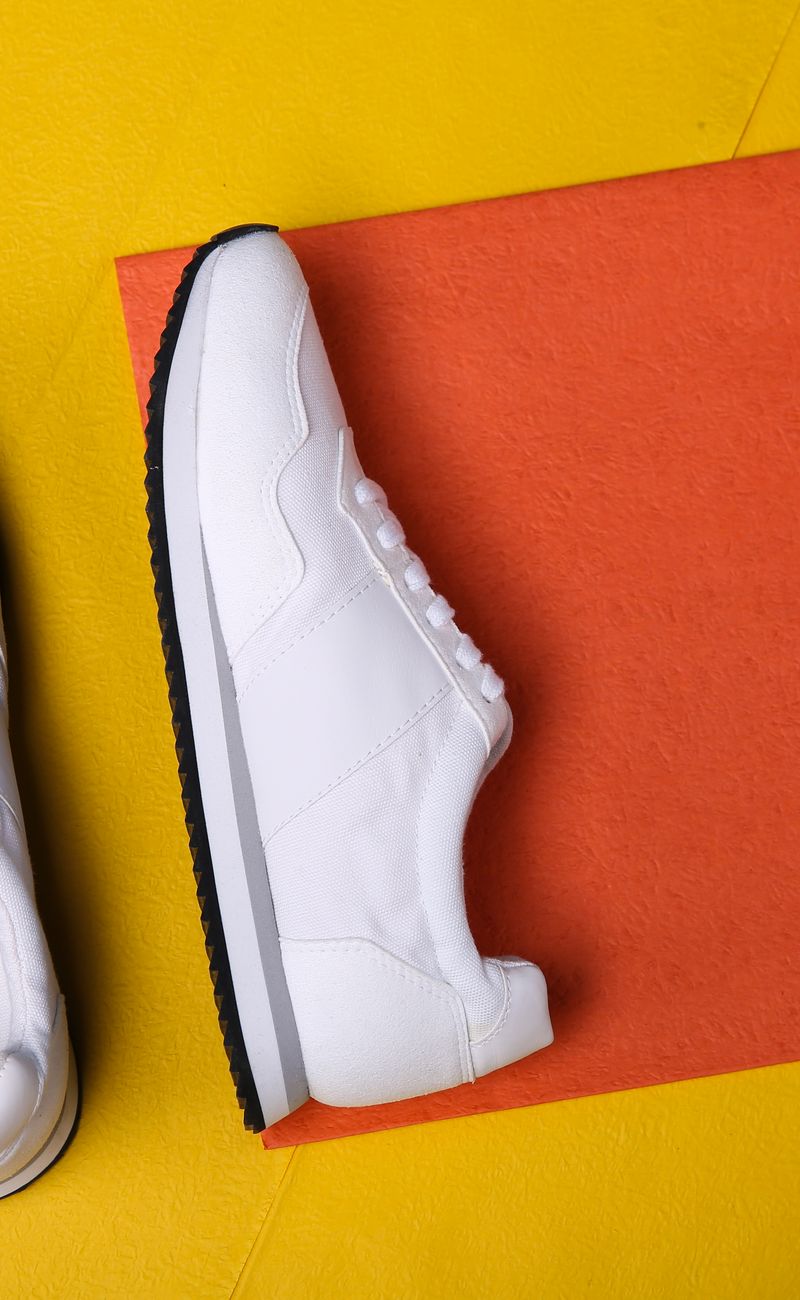
From the top: you need one crew neck tee in white, one in grey, and one in a color that complements your skin tone. Those three tees handle 80% of your casual needs. You need one button-down in an Oxford cloth weave, one in a lightweight linen or seersucker for warmer months, and one in a dark neutral for smarter situations. You need one lightweight crewneck sweater in a neutral, one-quarter zip in a versatile shade, and one heavyweight zip hoodie because layering is how you make the same pieces work across different seasons. For pants you need one pair straight-leg dark denim, one pair slim or tapered chinos in khaki or olive, and one pair slim-track pants or joggers in black for casual days when you still want to look intentional. Footwear is five core shoes: white leather sneakers, dark suede boots, one pair canvas low-tops, one pair dress shoes that can do casual, and one pair sport slides or sandals for summer. That is the entire skeleton.
Everything on this list plays with everything else on this list. The white tee and grey tee work with every bottom. The Oxford shirt works dressed up with dress shoes or dressed down with sneakers and jeans. The zip hoodie layers over the tee under the chore coat for a completely different silhouette. The dark denim works with every top. The white sneakers work with every outfit except formal situations where the dress shoes step in. This is the formula. You can add specialty pieces later, seasonal items, statement pieces if that is your thing. But start here. Get these 11 pieces dialed in before you buy anything else. Every piece has a job. Every piece earns its space. Nothing is there by accident or emotional purchase.
Building Outfits That Actually Work: The Combination Matrix
Once your 11 core pieces are locked you need to understand how they interact. This is the combination matrix and it is the actual skill that turns a closet full of good clothes into a signature style. The matrix is simple: certain combinations of silhouette create certain aesthetic signals. A fitted top with a looser bottom reads one way. A looser top with a fitted bottom reads another. Two fitted pieces reads sharp and intentional. Two relaxed pieces reads casual and easy. These are not rules you must follow. They are tools you can deploy depending on where you are going and what you want to project. Understanding the matrix means you can dress for any situation by adjusting proportions rather than owning situation-specific wardrobes.
Here is the combination map you want to internalize. First: the clean casual formula. This is your white or grey tee with dark denim and white sneakers. Add the zip hoodie unzipped for texture layering. This is your always-reliable default and it accounts for about 60% of your daily needs. It works for grocery runs, casual hangs, low-stakes social situations. Second: the elevated casual formula. Swap the tee for the Oxford button-down, leave it untucked with the sleeves rolled to the elbow. Same denim, same sneakers, but now you look like you made a decision instead of just getting dressed. Third: the smart casual formula. The quarter-zip over the Oxford, slim chinos instead of denim, dress shoes instead of sneakers. This works for date nights, dinners with clients, any situation where you need to look put together but not overdressed. Fourth: the cold weather formula. Layers stacked: tee as base, chunky sweater or zip hoodie mid-layer, chore coat or outerwear on top. Dark jeans, dark boots, always. This is where texture does the heavy lifting because the color palette is reduced to give the textures room to breathe.
The matrix also teaches you what to avoid. Avoid wearing two loud elements at once. If the shirt has a pattern, the pants go solid. If the outerwear is textured and substantial, the layers underneath stay clean and fitted. Avoid matching textures across too many layers because it reads flat. A denim jacket over a denim shirt over jeans reads like a uniform. Same texture top to bottom reads like you did not think about it. The formula keeps you inside these guardrails automatically because your core pieces are designed to work together. But when you start adding specialty pieces you need to run them through the matrix: does this silhouette work with those proportions? Is the texture competing or complementing? Does the color fit the palette or is it an orphan that only works with one thing? If it only works with one thing, it is a situational piece and it does not belong in the core rotation.
Developing Your Signature: Making the Formula Yours
The 11 pieces and the combination matrix are the skeleton. Your signature style is the flesh on that skeleton. Two guys running the exact same formula will still look different because signature style comes from three personalizing factors: your physical proportions, your coloring, and your lifestyle demands. A tall thin guy runs the same formula differently than a stocky powerlifter. A pale guy with cool undertones picks different accent colors than a deep-skinned guy with warm undertones. A guy who lives in business casual has different daily drivers than a guy who works remotely and dresses down 90% of the time. The formula adapts to all of these realities. Your job is to understand your own context and adjust accordingly.
Physical proportions determine your silhouette targets. If you are short waisted, shirts that are too long will make your legs look shorter. You want cuts that hit at the hip or slightly above. If you are long waisted, longer hemlines balance your proportions. If you have broad shoulders, structured outerwear fits better than oversized shapes that add bulk. If your frame is narrow, fitted cuts create the impression of width. The formula does not care about your measurements. You care about your measurements and you adjust accordingly. This is why tailoring matters. A $40 shirt tailored to fit your specific shoulder width and arm length will look better than a $200 shirt hanging off your frame wrong. Fit is not about quality. It is about precision. Every serious looksmaxxer knows that off-the-rack is the starting point, not the finish line.
Coloring is where personal expression enters the system without destroying the formula. Your base neutrals should complement your skin tone. If you have warm undertones, ivory and camel sit on you better than pure white and black. If you have cool undertones, true white and navy are your power tools. Your accent color or colors should be shades that make your eyes pop and your skin glow. This is not complicated. Stand in front of a mirror with a white shirt and hold different colored fabrics up to your face. The ones that make you look alive are your colors. The ones that wash you out are not. Buy those accent colors in your core pieces and you will never look like you are wearing someone else's style. You will look like yourself, consistently, on repeat, every day.
Lifestyle is the final modifier and it is the one most guys skip. If you spend 70% of your time in business casual environments, your formula should weight heavier toward dress shirts, quarter-zips, and chinos than toward tees and joggers. You still own the casual pieces but they are not the daily drivers. If you are in the gym five days a week with a physically demanding job, your formula needs athletic-adjacent pieces that read as casual but function under movement. The point is not to copy someone else's formula. The point is to build a system that reflects your actual life so that getting dressed is never a friction point. A formula that does not fit your life is a formula you will abandon by week two.
The System That Never Fails: Making It Permanent
Here is what happens when you build this system correctly. Getting dressed stops being a morning stressor and becomes a 3-minute process. You reach for the tee, the denim, the sneakers. You check the weather, you grab the chore coat. You are out the door looking intentional in the time it used to take you to stare blankly at your closet and feel bad about your lack of options. That is the power of the formula. It does not restrict you. It liberates you by eliminating the decision load that makes most guys avoid outfit planning entirely. You are not choosing between 40 pieces that might work. You are choosing between 3 tops and 3 bottoms and 5 shoes and the math always works because the system is built to always work.
The other thing that happens is you start developing an actual signature. People will notice. They will not be able to articulate what is different but something will be consistent. You will look like a guy who has his shit together even on days when you absolutely do not have your shit together. That is the halo effect of a dialed-in wardrobe system. It reads as competence, as attention to detail, as someone who cares about their presentation. These are not superficial observations. They are social signals that affect how people interact with you from the first second they see you. Your face card gets a permanent upgrade not because you changed your face but because your style tells a story that your face supports. The formula makes that story consistent and coherent and yours.
Build the system. Buy the 11 pieces if you do not own them. Run the combinations until they feel automatic. Adjust for your proportions, your coloring, your life. Do not chase trends. Do not buy anything that does not fit the formula. Every new piece should answer one question: does this work with what I already own? If yes, it earns a spot. If no, it stays in the store. That discipline is what separates guys with closets full of impulse purchases they never wear from guys with a signature style that never lets them down. The formula is the system. The system is the style. Your signature style is not born. It is built, piece by piece, combination by combination, until the formula becomes who you are.