Best Vitamin C Serum for Men: Complete Guide to Brighter, Healthier Skin (2026)
Men's skincare has evolved beyond basic cleansers. Discover how Vitamin C serums can transform your skin,brightening dull complexions, fading dark spots, and protecting against environmental damage. This guide covers everything you need to know about incorporating Vitamin C into your routine.

Why Your Skincare Stack Is Incomplete Without a Vitamin C Serum
If your morning routine is still just cleanser and moisturizer, you are leaving the single most cost-effective glow-up tool on the shelf. A vitamin C serum is not a luxury product for people with too much time and money. It is a foundational layer that moves the needle on the three things every looksmaxxer cares about: skin tone, skin texture, and long-term anti-aging. The data on topical vitamin C is robust. Dermatologists have recommended it for decades because it works, and it works faster than most actives in your routine.
Men specifically benefit more from vitamin C than most people realize. You produce more sebum than women. You typically have larger pores and more oxidative stress from shaving and sun exposure. Your skin barrier is different, and your collagen density starts dropping earlier. Adding a solid vitamin C serum to your morning stack addresses all of these issues at once. It lightens the dark spots from last summer's sunburn, firms the skin around your eyes, and fights the free radical damage that accelerates aging faster than anything else in your environment.
The vitamin C market is a minefield. Most products under $20 are stabilized wrong, contain insufficient concentrations, or use derivatives that your skin converts so poorly you might as well be applying orange juice. The difference between a good vitamin C serum and a waste of money comes down to a few key specs that the marketing on the bottle will do everything possible to obscure. You need to know how to read the label before you buy anything.
What Actually Makes a Vitamin C Serum Worth Your Money
The first thing you need to understand is the difference between L-ascorbic acid and every other vitamin C derivative on the market. L-ascorbic acid is the pure form. It is the most researched, the most effective, and the most unstable. Every other variant like ascorbyl glucoside, sodium ascorbyl phosphate, or magnesium ascorbyl phosphate sounds like vitamin C but delivers a fraction of the results at a fraction of the concentration. If you want actual brightening and collagen stimulation, you want L-ascorbic acid in the 10 to 20 percent range. Anything below 10 percent is essentially decorative.
Stability is the second major factor that separates the winners from the losers. L-ascorbic acid oxidizes when it hits air and light. A product that was potent in the bottle six months ago might be half strength by the time you finish it. Look for serums in opaque pump bottles or single-dose ampules rather than dropper bottles that you open repeatedly. Air and light are the enemies. Brands that use air-restrictive packaging and include ferulic acid in the formula are typically the ones doing stabilization right. Ferulic acid is not just a marketing ingredient here. It genuinely stabilizes vitamin C and boosts its effectiveness by a significant margin.
pH matters more than most guys realize. L-ascorbic acid requires a pH below 3.5 to penetrate the skin effectively. Many products sit at a higher pH because it makes the formula feel gentler and easier to market, but that gentleness comes at the cost of efficacy. The ingredient is technically in there but sitting on the surface doing nothing. A well-formulated vitamin C serum will list its pH range somewhere in the product details or on the brand's website. If you cannot find it, that is usually a bad sign.
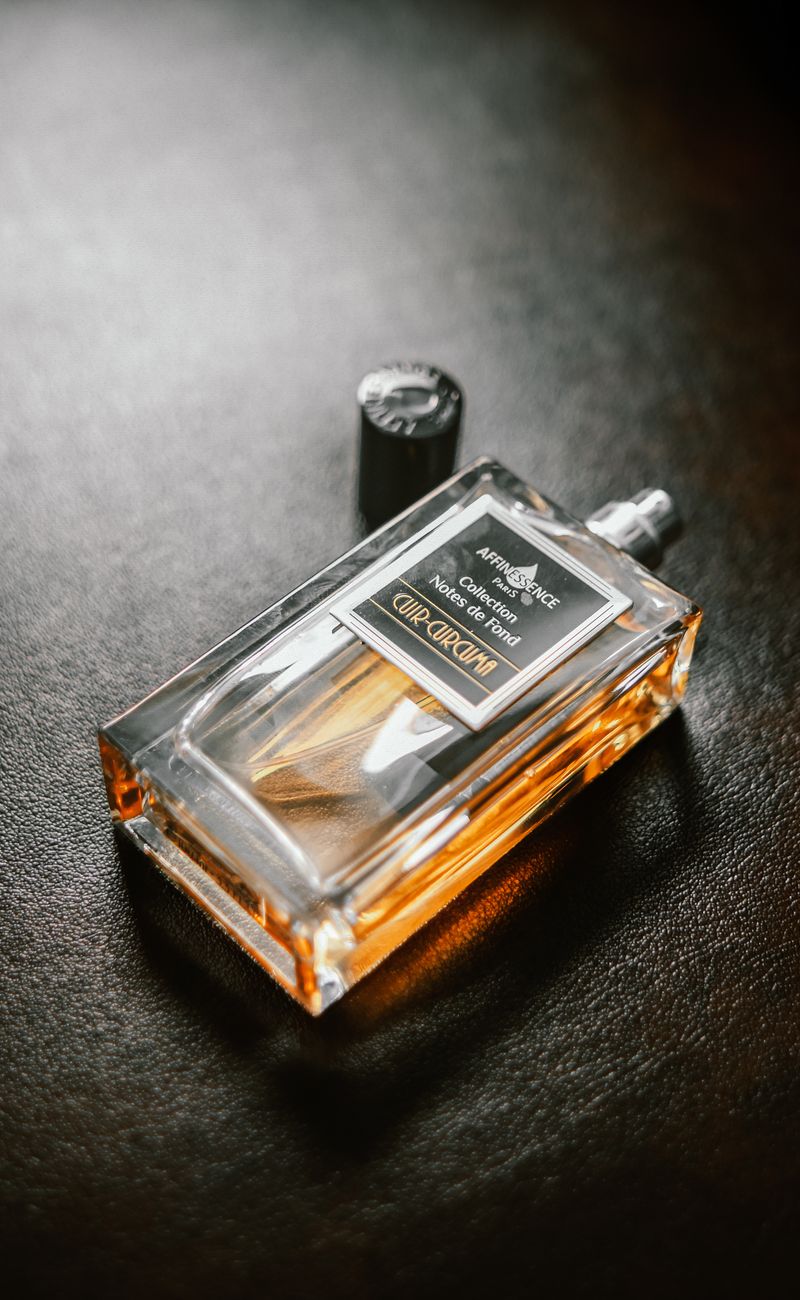
Packaging is a dealbreaker you should never ignore. Clear glass dropper bottles are the worst possible vessel for a vitamin C serum. The moment you open that bottle for the first time, oxygen floods in and starts degrading the active. A quality vitamin C serum will come in an airless pump, a squeezable tube, or individual sealed ampules. Some brands use dark glass bottles to block light, but the dropper mechanism still introduces oxygen every time you use it. If the packaging looks like something you would see at a luxury perfume counter, it is probably the wrong packaging for an active serum.
The Best Vitamin C Serums for Men in 2026
After evaluating concentration, formulation, packaging, and real-world user results, here is how the options stack up if you are ready to actually upgrade your routine.
SkinCeuticals CE Ferulic sits at the top for good reason. This is the industry standard that dermatologists reference when they talk about vitamin C serums that actually work. It delivers 15 percent L-ascorbic acid with vitamin E and ferulic acid in a formula that penetrates effectively at the correct pH. The packaging uses a sealed system that keeps the active stable from first pump to last. The price point is high, and the market is flooded with fakes, but if you are serious about maxxing your skin routine, this is the ceiling. You will notice a difference in brightness within two weeks. Dark spots start fading within six weeks. The skin texture becomes noticeably smoother within a month. This is not opinion. This is what a properly formulated vitamin C serum does when you give it time to work.
Timeless Skincare 20% Vitamin C Serum occupies a different but equally valid position on the value spectrum. It offers 20 percent L-ascorbic acid at a fraction of the SkinCeuticals price point. The formula includes vitamin E and ferulic acid for stabilization. The packaging is an airless pump that keeps the active stable. The pH is dialed in correctly. The only trade-off is that Timeless does not use the same advanced delivery system as the gold standard products, so the absorption is marginally less efficient. But at this price, you can afford to use more and get comparable results. This is the pick for a guy who wants clinical-level results on a reasonable budget.
Paula's Choice C15 Super Booster takes a different approach with a 15 percent concentration in a lightweight water-based formula that absorbs quickly and leaves no residue. It includes vitamin E and ferulic acid for stabilization. The packaging is a pump bottle with air-restrictive technology. This product is well-suited for guys with oily skin or anyone who finds oil-based serums feel too heavy. The formula sinks in fast, layers well under moisturizer, and does not conflict with other actives in a stacked routine. Paula's Choice has built a reputation on evidence-based formulations, and this serum is a direct reflection of that commitment.
Drunk Elephant C-Firma Fresh Day Serum goes heavy on the antioxidants with 15 percent L-ascorbic acid plus additional actives like ferulic acid, vitamin E, and turmeric extract. The texture is a gel-cream that appeals to guys who dislike the sticky feel of some vitamin C formulas. The packaging uses a sealed pump system. The price is comparable to SkinCeuticals, which makes it a harder sell unless you specifically want the additional antioxidant complexity. It delivers results, but you pay a premium for the brand positioning and the aesthetic experience of using it.
Obagi Medical Vitamin C Serum 20% uses a 20 percent concentration in an aqueous formulation that is notably stable and effective. The brand is clinical-focused and designed for skincare professionals, which means the product is formulated with consistency and concentration accuracy in mind. The packaging is a dark glass bottle with a dropper, which is not ideal, but the formula itself is strong enough that it holds up reasonably well even with some oxidation. This is the pick for a guy who has access to a medical skincare provider or prefers physician-grade brands.
If you want to stay under $20 and still get a legitimate L-ascorbic acid product, The Ordinary 23% + HA Spheres is worth considering despite the roughness of the formulation. The concentration is absurdly high at 23 percent, which means irritation is a real risk if you have sensitive skin. The texture is not pleasant. It sits on the skin before absorbing, and the formula lacks the stabilization extras that premium products include. But for pure L-ascorbic acid delivered effectively, this is the cheapest legitimate option on the market. Use it carefully. One or two drops per application. Do not pile it on because the bottle says 23 percent. More is not better here.
How to Layer Vitamin C Into Your Morning Routine
Vitamin C goes on immediately after cleansing and before moisturizer. That is the non-negotiable order. The serum needs direct contact with clean skin to penetrate properly. Moisturizer creates a barrier that slows absorption. If you are using other actives like niacinamide or a retinol product, the sequencing becomes more nuanced, but vitamin C in the morning always comes early in the stack.
Never use vitamin C and retinol in the same morning routine. Retinol increases cell turnover and can degrade vitamin C's effectiveness while also creating unnecessary irritation. If you run a retinol routine at night, your vitamin C belongs in the morning where it also provides antioxidant protection against daytime UV exposure. This separation is not optional. It is the protocol that produces results without burning your face off.
Wait 60 seconds between applying vitamin C and applying anything else. The serum needs time to settle into the skin and begin the absorption process. Rushing the next step just smears it around before it has penetrated. A one-minute wait sounds tedious but it is the difference between absorbing 70 percent of the active and absorbing 40 percent. Time it. You will develop the habit in two weeks.
Apply it to your neck and chest as well as your face. Guys fixate on the face and neglect the neck and upper chest, which are areas that show age and sun damage just as prominently. The décolletage ages faster than most people realize because it is rarely protected and rarely treated with actives. Your vitamin C serum is doing half the work if you only apply it to your face.
Use sunscreen every single morning. Vitamin C makes your skin more photosensitive, not less. This is a critical misunderstanding that ruins results for guys who do everything right with their serum and then skip the sunscreen. Vitamin C fights free radical damage from UV exposure, but it does not replace sunscreen. It complements it. SPF 30 minimum, applied after the vitamin C has fully absorbed. This combination is the actual protocol for long-term skin health and anti-aging.
Common Mistakes That Kill Your Vitamin C Results
The biggest mistake is buying a product with the word vitamin C on the label and assuming it will deliver. Ascorbic acid is what you are looking for. Every other form is a compromise. If the label says ascorbyl palmitate or ascorbyl glucoside, you are getting a much weaker version at whatever concentration is listed. Check the active ingredients list. If L-ascorbic acid is not in the first five ingredients, you are not getting a high-enough dose to see results.
Using too much is a mistake that costs you money and can irritate your skin. With a properly formulated 15 or 20 percent serum, two to three drops cover your entire face and neck. The serum should spread easily and absorb within 30 seconds. If you are using half the dropper and still waiting a full minute for it to absorb, you are using too much. Wasted product is the least of your problems. Over-application on sensitive skin can trigger redness, peeling, and sensitization that takes weeks to resolve.
Storing your serum wrong destroys it faster than anything else. Even a perfectly formulated product in the right packaging will degrade if you leave it in a hot bathroom or direct sunlight. The ideal storage temperature is cool and consistent. A bedroom drawer is better than a bathroom counter. Do not put it in the refrigerator unless the brand specifically recommends it. Cold temperatures can cause some formulas to separate or change viscosity in ways that affect performance. Room temperature, dark storage, sealed packaging. That is the protocol.
Expecting overnight miracles is how you convince yourself the product is not working and quit after two weeks. Skin cells turnover on a 28-day cycle for guys in their twenties and thirties, slowing further as you age. Your vitamin C serum needs at least six to eight weeks of consistent daily use before you evaluate whether it is working. Dark spots fade gradually. Texture smooths slowly. The glow builds over time. If you are looking for the kind of results that show up in before-and-after photos, you need to commit to three months minimum. Anything less than that and you are just wasting money bouncing between products that never get a fair chance.
The one exception to the timeline is brightening. If your skin looks dull or fatigued in the morning, vitamin C will brighten it within a week. That immediate effect is real and it is why most guys who stick with the product do so in the first place. The long-term benefits like fading hyperpigmentation and building collagen take longer, but the glow-up starts immediately. That should be enough to keep you motivated through the first month.
Your Next Move Is Simple
Pick one of the products listed above based on your budget and skin type. Apply it every single morning after cleansing. Wait your sixty seconds. Follow with moisturizer and sunscreen. Do this for ninety days straight. Take a before photo at the start and a photo at the end under the same lighting conditions. The difference will be obvious. Clearer skin, more even tone, reduced dark spots, better texture. That is what a dialed-in vitamin C protocol does when you actually commit to it.
Most guys never see these results because they buy the wrong product, store it wrong, use it inconsistently, or quit after two weeks when their face looks the same. You are not most guys. You are here because you want the protocol that works, and now you have it. Stop reading. Start applying.