MindMaxx
Sleep Optimization for Facial Aesthetics: The Neuroscience of Rest & Looksmaxxing (2026)
Discover how sleep quality directly impacts facial structure, skin quality, and hormonal balance for looksmaxxing. Learn the neuroscience-backed strategies to optimize rest for maximum aesthetic gains.
Looksmaxxing Today · 9 min read
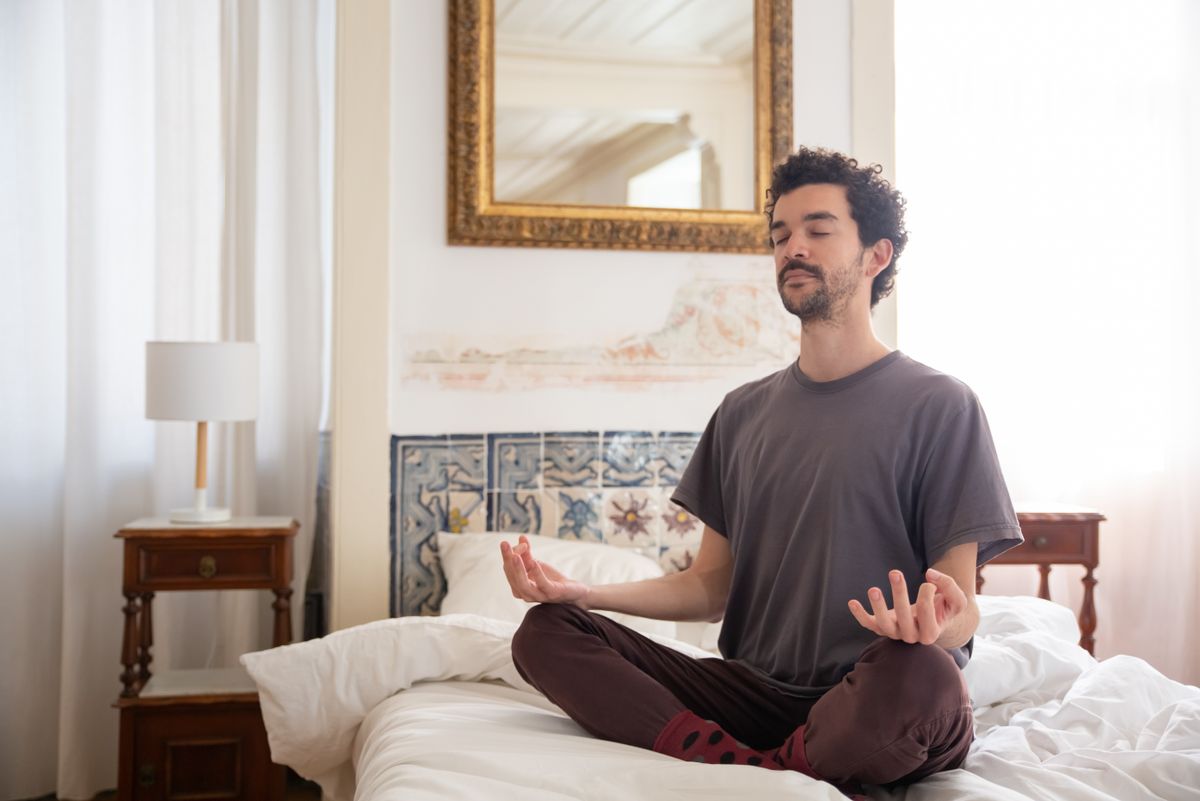
Photo: Letícia Alvares / Pexels
What Actually Happens to Your Face When You Sleep
Sleep isn't passive. Your body is running systems that directly impact your facial aesthetics. During deep sleep, your body releases growth hormone. This is the same hormone that repairs tissue, builds collagen, and maintains the structural integrity of your skin and facial tissues. If you're sleeping five hours a night, you're running a growth hormone deficit that compounds over months into visible degradation of your facial structure.
Growth hormone is primarily released during slow-wave sleep, the deep phase of the sleep cycle. Each cycle lasts roughly 90 minutes, and the first few cycles deliver the most growth hormone. This means early sleep is disproportionately valuable. Going to bed at 2 AM and waking at 8 AM doesn't give you the same deep sleep as going to bed at 11 PM and waking at 7 AM, even though the total duration is identical. Your circadian rhythm controls when you enter slow-wave sleep, and fighting it costs you aesthetic points you can't buy back.
While you're sleeping, your skin is in repair mode. Epidermal cell turnover accelerates during sleep. The stratum corneum, the outer layer of your skin, goes through a nightly reset. Dead cells are shed faster, new cells rise to the surface faster, and the skin's barrier function is reinforced. This is why you look like death after a bad night but somehow look better after a weekend of solid sleep. Your skin was doing maintenance work while you were unconscious.
Cortisol is the other major player. Chronic sleep deprivation elevates cortisol throughout the day. Cortisol breaks down collagen, triggers inflammation, increases facial water retention, and disrupts the hormonal environment that keeps your face looking taut and healthy. A guy running on four hours of sleep for weeks is essentially marinating his face in cortisol soup. The bags under his eyes aren't genetic. They're cortisol. The puffiness isn't hydration. It's stress hormones doing their work on his face.
The lymphatic system is equally affected. During sleep, your body shifts fluid dynamics. Gravity isn't fighting lymphatic drainage while you're horizontal. This is why you wake up looking puffy if you've been lying in the wrong position or sleeping on a surface that doesn't support proper head alignment. Facial puffiness, the loss of sharp jawline definition, the swollen look that makes you appear less attractive even when you're lean. All of this is partly a drainage problem that proper sleep positioning can mitigate.
Sleep Architecture and Aesthetic Optimization
Not all sleep is created equal for looksmaxxing purposes. If you're sleeping eight hours but waking up four times, you're not getting the sleep your face needs. Fragmented sleep destroys slow-wave sleep quality even if total sleep duration looks acceptable on paper.
The goal for facial aesthetics is maximizing deep sleep and REM sleep while keeping cortisol low. This requires attention to sleep hygiene in a way that most people find boring until they see the results in their face.
Temperature is the most underrated variable. Your body needs to drop its core temperature to initiate deep sleep. A bedroom that's too warm prevents the transition into slow-wave sleep. The optimal range is 65 to 68 degrees Fahrenheit. If your bedroom runs warm, you're probably losing deep sleep you don't even know you're missing. A cooling mattress pad or even a simple fan moving air across your face can shave minutes off the time it takes to enter deep sleep. Over a week, those minutes compound into meaningful aesthetic returns.
Light exposure is the next critical variable. Your circadian rhythm is calibrated to light, specifically blue-spectrum light. When your eyes encounter blue light in the evening, your pineal gland suppresses melatonin and tells your brain it's still daytime. This delays sleep onset and reduces slow-wave sleep quality even if you eventually fall asleep. The protocol is straightforward: get bright light exposure in the morning, minimize blue light for two hours before bed, and sleep in total darkness. Blackout curtains aren't optional for serious looksmaxers. They're infrastructure.
Sleep position matters for facial aesthetics in ways that people dismiss until they see the difference. Sleeping on your face compresses the skin against the pillow for eight hours. Over years, this contributes to asymmetric facial development and accelerated wrinkle formation on the side you consistently sleep on. The optimal position for facial aesthetics is supine, on your back, with a pillow that supports your neck without craning your head forward. If you can only sleep on your side, switch sides regularly and consider a silk pillowcase to reduce friction and compression.
The Cortisol Problem and Evening Protocol
Evening cortisol is what destroys your face while you sleep. Elevated evening cortisol means your body stays in a sympathetic state rather than shifting into parasympathetic recovery mode. Your face is literally being catabolized by stress hormones while you're unconscious.
The fix isn't complicated but requires consistency. Evening wind-down protocols signal your nervous system that it's safe to transition out of stress mode. This matters for looksmaxxing because your face responds directly to your cortisol curve.
The first rule is no intense exercise within three hours of bed. Late-night lifting or HIIT elevates cortisol and keeps your nervous system wired. If you're training at 10 PM, you're sacrificing sleep quality and consequently sacrificing facial aesthetics. Move your workout earlier in the day and let your evening be a wind-down rather than a second wind.
The second rule is no stressful content before bed. This means no news, no arguments, no social media doom-scrolling. Your nervous system doesn't distinguish between a tiger at the door and your Twitter timeline telling you the world is ending. Both elevate cortisol. Your aesthetic optimization depends on taking the last two hours before bed seriously as a cortisol management window.
Consider a wind-down stack that supports relaxation without sedating you. Magnesium glycinate taken 30 minutes before bed supports GABA signaling and reduces cortisol. L-theanine promotes relaxation without drowsiness. These aren't magic pills. They're tools that help your nervous system make the transition from daytime stress response to nighttime recovery mode.
Avoid alcohol before bed even if it makes you feel drowsy. Alcohol disrupts sleep architecture, fragmenting deep sleep and REM sleep while you're unconscious. It also causes facial flushing, dilates blood vessels in the skin, and triggers inflammation that shows up the next morning as puffiness and redness. The guy who thinks drinking helps him sleep is running a serious cope. He's sedating himself while destroying his sleep quality.
Sleep Duration and The 7 to 8 Hour Sweet Spot
The research on sleep and attractiveness is consistent. People who sleep seven to eight hours are consistently rated as more attractive, more healthy, and more approachable than those sleeping five to six hours. This isn't subjective. There are peer-reviewed studies showing that sleep-deprived individuals are perceived as less attractive by independent raters who don't know the study's purpose.
Seven to eight hours appears to be the range where the body completes full sleep cycles multiple times, maximizing both slow-wave sleep and REM sleep. Less than seven hours and you're consistently cutting into deep sleep. More than nine hours on a regular basis and you're probably dealing with other issues that need addressing before optimizing sleep becomes relevant.
The consistency of your sleep schedule matters as much as the duration. Your circadian rhythm runs on a roughly 24-hour cycle. When you vary your bed and wake times by more than an hour on weekends versus weekdays, you're jet-lagging yourself twice a week. This disrupts the alignment between your circadian clock and your sleep pressure system. The result is lower sleep quality even when you're technically in bed for eight hours.
Set a fixed wake time, including weekends. This is non-negotiable if you're serious about optimizing sleep for facial aesthetics. Let your bedtime vary naturally based on when you feel drowsy, but keep your wake time locked in. After two weeks of consistent wake times, your deep sleep quality will improve measurably and your face will reflect it.
The Morning Protocol: Waking Up Without Destroying Your Face
How you start your day affects how your face looks for the rest of the day. A jarring alarm, immediate phone checking, and flooding your eyes with blue light before your cortisol has naturally peaked is an aesthetic failo you can fix in thirty seconds of protocol adjustment.
Light exposure in the morning accelerates your cortisol awakening response, which is actually beneficial. Your cortisol should be rising in the morning as part of your natural circadian rhythm. This isn't the chronic elevated cortisol that's destroying your collagen. This is your body's built-in wake-up signal. Getting bright light in your eyes within 30 minutes of waking amplifies this natural rise and helps you feel more alert while also setting your circadian clock correctly for better sleep that night.
Open your blinds before your alarm goes off if possible. Natural light is the strongest zeitgeber, the signal that tells your body what time it is. Morning sunlight tells your brain it's daytime, which means bedtime is roughly 14 to 16 hours away. This simple habit alone will improve your sleep quality more than any supplement.
Hydration matters upon waking. You've been without water for seven to eight hours. Your face is where dehydration shows up first. The fix is immediate: drink 16 to 24 ounces of water before coffee. Adding electrolytes helps with cellular hydration more effectively than plain water. Your skin will look plumper and more defined within an hour of proper morning hydration.
Face flushing with cold water has genuine benefits. Splashing cold water on your face constricts blood vessels temporarily, reducing inflammation and puffiness. Cold exposure also triggers a parasympathetic response that helps transition out of sleep grogginess. Thirty seconds of cold water on your face is a small habit that delivers immediate aesthetic returns and costs nothing.
Sleep Optimization as the Foundation of Everything
You can run the best skincare protocol on the planet and still look like garbage if your sleep is trash. Retinol accelerates cell turnover but your skin can't properly repair if you're not getting deep sleep. Growth factors and peptides do nothing if cortisol is catabolizing your collagen faster than you can build it. The supplement stack is useless if you're sleeping five hours a night and wondering why your face looks worse every year.
Sleep optimization isn't glamorous. It doesn't come in a $90 serum bottle or a trending aesthetic procedure. It's boring infrastructure. But for any looksmaxxer who actually wants to ascend rather than maintain a mediocre baseline, sleep is where the work starts. Everything else is built on top of it.
If you're serious about this, audit your sleep before you spend another dollar on products. Track your sleep with a wearable if needed. Set the wake time. Fix the bedroom temperature. Get the blackout curtains. Build the evening wind-down protocol. Give your body the sleep it needs and watch what happens to your face over the next three months. The results will convince you more than any article ever could.
This is the foundation. Everything else is noise until you've got this dialed in.