V-Taper Training: The Shoulder-to-Waist Ratio Protocol That Builds Frame
Build the ultimate V-taper frame with this complete shoulder-to-waist ratio protocol. Target deltoids, lats, and obliques for maximum width and taper.
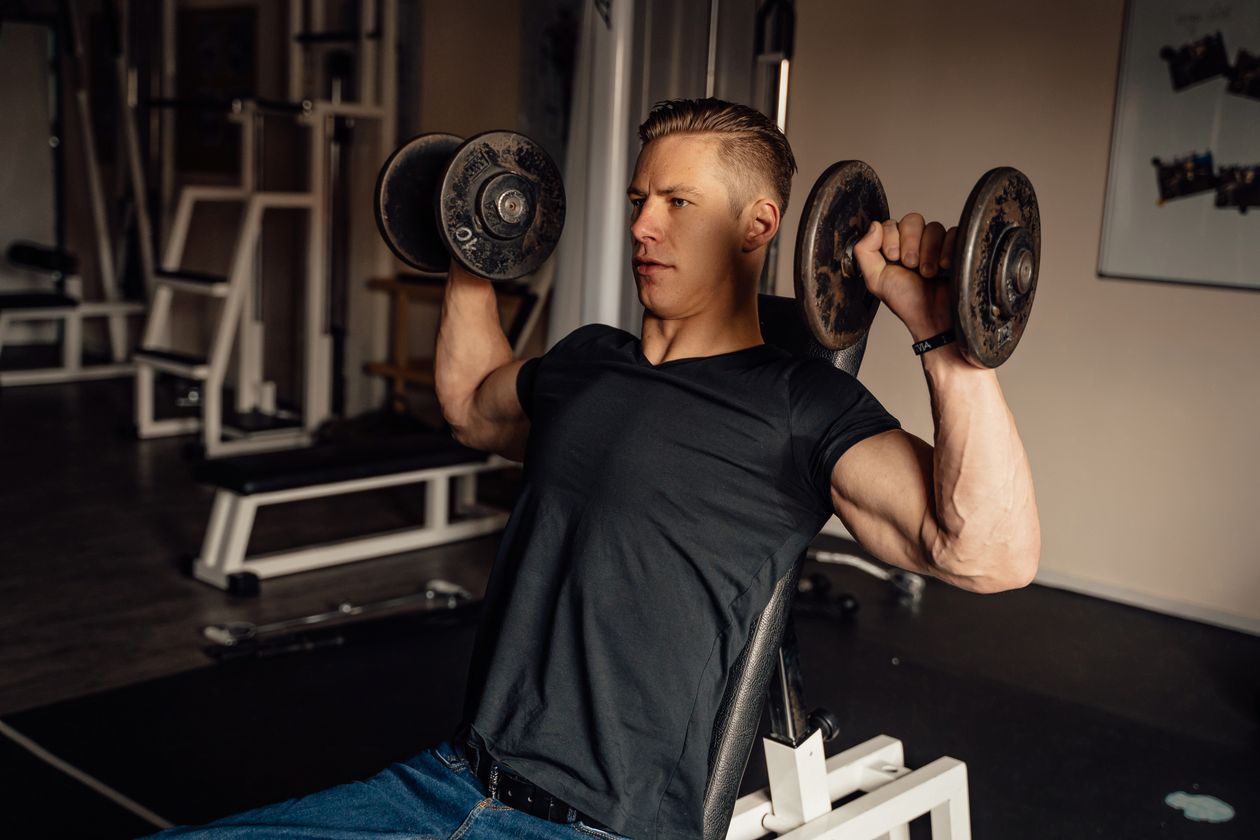
Why the V-Taper Matters
The V-taper isn't just about looking wide; it's about creating the illusion of a smaller waist while maximizing upper body width. That shoulder-to-waist ratio is the single most influential factor in how your physique is perceived. A 1.6:1 ratio or higher immediately signals athleticism, strength, and good genetics. Conversely, a blocky torso with no taper reads as soft, even if you're lean.
What most guys get wrong is thinking the V-taper is built by training shoulders alone. That's incomplete. The true V-taper is a three-part system: wide shoulders, wide back, and a narrow waist. Neglect any one component and you'll hit a plateau that looks more like a cylinder than a triangle.
Shoulder Development: The Width Engine
Deltoids are the width engine. The anterior (front) head fills out the front profile, the lateral (side) head creates the cap that makes shoulders look round and wide, and the posterior (rear) head balances the silhouette. Most recreational lifters neglect the lateral head, which is why they never achieve that capped look.
Your shoulder protocol should prioritize lateral head volume with overhead movements that allow progressive overload. The seated dumbbell press is non-negotiable. it provides the range of motion and stability to really target all three heads. Follow it with lateral raises in the 12-15 rep range, focusing on time under tension and a peak contraction. Don't cheat with momentum; the lateral head loves slow, controlled reps.
Rear delts are equally important for the 3D look. Face pulls and reverse Pec-Dec should be staples, performed for 3-4 sets of 15-20 reps. Poor rear delt development creates a sloping shoulder line that diminishes the V-taper illusion.
Back Training: The Taper Creator
A wide back makes your waist look smaller by contrast. Lats are the primary width builder; their insertion points along the torso create that coveted flare. But thickness in the mid-back (rhomboids, traps) adds the vertical dimension that makes the V taper appear longer.
Pull-ups and lat pulldowns are your bread and butter for lat width. Use a slightly wider than shoulder grip and focus on depressing the scapula. think chest up, shoulders back and down. The mind-muscle connection is critical here; you want to feel your lats doing the work, not your biceps.
For thickness, rows are essential. Chest-supported rows eliminate lower back involvement so you can load the upper back safely. Barbell rows with strict form also build serious mid-back density. A well-developed back doesn't just create taper; it improves posture, which further enhances the V-taper by pulling your shoulders back and chest up.
Waist Management: Narrowing the Base
The waist is the variable most guys have the hardest time controlling. Bone structure sets a baseline, but you can minimize waist size through two levers: body fat reduction and oblique management.
subcutaneous belly fat adds directly to waist circumference. Getting lean. 12-15% body fat for most guys. is the single most impactful thing you can do for waist size. Your diet determines 80% of this outcome. A moderate calorie deficit with high protein preserves muscle while you cut. Intermittent fasting can help control calories, but it's still about energy balance at the end of the day.
Oblique training is nuanced. Heavy weighted side bends can hypertrophy the external obliques, potentially thickening the waist. For aesthetics, you want tight, defined obliques, not bulky ones. Focus on anti-rotation core work. Pallof presses, dead bugs, and side planks. that builds stability without adding mass. If your obliques are already developed, you may need to reduce direct oblique volume and instead rely on compound lifts and overall fat loss to reveal definition.
Vacuum exercises can temporarily reduce waist circumference by strengthening the transverse abdominis and teaching you to hold your gut in. Incorporate them into your routine. standing vacuums, 3 sets of 30-60 seconds each. but don't expect dramatic changes without fat loss.
The Weekly Protocol
Here's a sample 5-day split that prioritizes V-taper development while maintaining overall balance:
Day 1: Shoulders
Seated dumbbell press: 4 × 6-8
Seated barbell overhead press: 3 × 8-10
Dumbbell lateral raises: 4 × 12-15
Cable lateral raises (drop set on last set): 3 × 15-20
Face pulls: 4 × 15-20
Reverse Pec-Dec: 3 × 15-20
Day 2: Back to Width
Pull-ups (weighted if possible): 4 × max or 6-8
Lat pulldown (wide grip): 4 × 8-10
Straight-arm pulldown: 3 × 12-15
Single-arm cable row (focus on stretch): 3 × 10-12 per side
Day 3: Rest or active recovery
Day 4: Back to Thickness
Barbell rows (Pendlay or strict): 4 × 6-8
Chest-supported rows: 4 × 8-10
T-bar rows: 3 × 10-12
Seated cable rows (close grip): 3 × 12-15
Day 5: Legs + Core
Squats or front squats: 4 × 6-8
Romanian deadlifts: 4 × 8-10
Leg press: 3 × 10-12
Calf raises: 4 × 15-20
Pallof press: 3 × 10 per side
Hanging leg raises: 3 × max
Day 6: Full Body/Accessory
Choose 2-3 compound movements from previous days at moderate volume to reinforce technique and accumulate extra volume.
This frequency hits each muscle group twice per week, which is the sweet spot for hypertrophy. Adjust based on recovery. if you're sore for days, add an extra rest day. If you're bouncing back quickly, you could add a light shoulder session on Day 6.
Nutrition and Recovery
Muscle growth happens outside the gym. Your training stimulus is only as good as your recovery. Protein intake should be at least 0.8-1 gram per pound of body weight daily. Spread it across 3-5 meals to maximize muscle protein synthesis. Leucine-rich sources. whey, eggs, meat. are particularly effective.
Caloric surplus is required for muscle gain, but you can recomp if you're newer or returning from a layoff. Eat at maintenance or a slight surplus (100-300 calories above) while strength increases. Once you've built substantial muscle, you'll need to lean out to reveal the V-taper; that's when a cut becomes necessary.
Sleep is non-negotiable. Aim for 7-9 hours of quality sleep. Testosterone peaks in REM sleep; poor sleep directly impairs recovery and muscle growth. Manage stress. cortisol promotes fat storage in the abdominal area, which thickens the waist. Meditation, walks, and hobbies aren't optional; they're part of the protocol.
Common Mistakes That Sabotage Your V-Taper
Neglecting rear delts is the most common error. Those muscles create the roundness and 3D look that makes shoulders look capped. Train them with at least as much volume as your front delts.
Overdoing oblique work with heavy weights. This can thicken the waist. Focus on anti-rotation core stability instead. Save heavy side bends for powerlifters, not aesthetic-focused lifters.
Inconsistent progressive overload. You can't expect growth if you're not adding weight, reps, or sets over time. Keep a training log and aim to improve each week.
Training shoulders and back on the same day with high volume. Both are large muscle groups that require substantial recovery. Separating them gives each the attention they deserve.
Expecting results without getting lean. You can have massive shoulders and a wide back, but if you're carrying 20 pounds of fat, your waist will be thick and the V-taper invisible. Body fat percentage is the canvas; muscle development is the paint. You need both, but leanness makes everything visible.
The V-taper is a geometric masterpiece that requires deliberate construction. It's not an accident. Train shoulders and back for width, manage your waist through diet and smart core work, and stay consistent. The frame you want is built one rep, one meal, one night of sleep at a time. Start today.


