Best High-Protein Foods for Muscle Growth and Bodybuilding (2026)
Optimize your physique with the ultimate guide to high-protein foods. Learn exactly how many grams per meal to maximize muscle protein synthesis and accelerate your looksmaxxing transformation.
Why Protein Is the Foundation of Any Serious Maxx Protocol
You can run the perfect training split, sleep 8 hours a night, and nail your cardio, but if your protein intake is trash, you are spinning your wheels. Muscle protein synthesis, the process your body uses to build new muscle tissue, requires amino acids. Those amino acids come from protein. Plain and simple. No supplement, no pre-workout, no training hack replaces the fundamental need for adequate protein intake when your goal is muscle growth and body recomposition.
The research on protein intake for muscle growth is not ambiguous. Multiple meta-analyses spanning decades of sports nutrition research consistently show that individuals engaged in resistance training require between 1.6 and 2.2 grams of protein per kilogram of bodyweight daily to maximize muscle protein synthesis rates. Some bro science pushes numbers far beyond this range, but the evidence does not support excessive intake beyond what we have established. The sweet spot is real, and it is lower than most gym bros think. What matters more than extreme numbers is consistency and distribution throughout the day.
For a 180-pound male, that 1.6 to 2.2 grams per kilogram range translates to roughly 130 to 180 grams of protein daily. Most guys eating a standard Western diet land somewhere around 80 to 100 grams. They are leaving 30 to 80 grams of potential muscle gains on the table every single day. That is a compounding failure that adds up to significant lost muscle mass over months and years of training.
The quality of your high-protein foods matters as much as the quantity. Complete protein sources contain all nine essential amino acids in ratios that support muscle protein synthesis optimally. Incomplete proteins, common in plant-based sources, may lack one or more essential amino acids in sufficient quantities. This does not mean you cannot build muscle on a plant-based diet, but it means you need to be more intentional about combining sources or selecting complete protein foods more strategically.
Here is the definitive breakdown of the best high-protein foods for muscle growth. Every option on this list earns its place based on amino acid profile, bioavailability, micronutrient density, and practical accessibility for people who are training hard and eating on a budget.
Animal-Based Complete Proteins: The Gold Standard
Animal proteins remain the gold standard for muscle building nutrition. They offer complete amino acid profiles, high bioavailability, and a nutritional package that plant foods cannot fully replicate. This is not ideology. This is biochemistry. If you have access to animal products and no ethical constraints, prioritize these sources.
Eggs are the most efficient protein source in existence. Whole eggs provide approximately 6 to 7 grams of protein per large egg, with the yolk delivering essential fat-soluble vitamins, choline for cognitive function, and growth factors that support muscle protein synthesis. The myth that egg yolks are unhealthy for your cardiovascular system has been largely debunked in recent nutritional research, especially for individuals engaged in regular resistance training. A dozen eggs daily is a perfectly legitimate muscle-building protocol, and bodybuilders have operated on this template for decades. Unless you have diagnosed dietary restrictions or specific medical conditions, stop throwing away the yolks.
Chicken breast is the staple of bodybuilding nutrition for good reason. At approximately 31 grams of protein per 100 grams cooked, it offers one of the highest protein-to-calorie ratios of any whole food. Chicken breast is lean, versatile, and inexpensive when purchased in bulk. It cooks quickly, takes flavor well, and can be prepared in multiple ways to prevent dietary boredom. Rotisserie chicken from the grocery store is an excellent shortcut for people who do not want to cook but need high-protein food options. One rotisserie chicken provides roughly 175 grams of protein, enough for multiple meals over two days.
Beef, specifically lean cuts, provides not just protein but creatine, iron, zinc, and B vitamins that support energy metabolism and recovery. Ground beef at 90% lean or higher delivers approximately 26 grams of protein per 100 grams. Ribeye and other fattier cuts still provide substantial protein but increase caloric load from fat. For pure muscle-building purposes, lean beef is preferable. For overall nutritional density and satiety, fattier cuts offer benefits that should not be dismissed. Variety serves you better than rigid restriction.
Greek yogurt, specifically plain Greek yogurt with no added sugar, provides approximately 10 grams of protein per 100 grams, with some high-protein varieties reaching 17 grams per serving. The casein protein in Greek yogurt digests slowly, providing a sustained release of amino acids that may be beneficial when consumed before longer fasting periods, such as before sleep. The probiotic content supports gut health, which emerging research suggests plays a meaningful role in nutrient absorption and systemic inflammation.
Salmon and other fatty fish offer a unique combination of high-quality protein and omega-3 fatty acids that support recovery, reduce inflammation, and may enhance muscle protein synthesis rates. A 100-gram serving of salmon provides approximately 20 to 25 grams of protein depending on the cut and preparation method. The anti-inflammatory benefits of omega-3s are particularly valuable for individuals training at high volumes or dealing with chronic joint soreness. Canned salmon and sardines are budget-friendly alternatives that provide the same benefits with added calcium from softened bones.
Tuna and other white fish are extraordinarily lean protein sources with minimal fat content. Chunk light tuna in water provides approximately 26 grams of protein per 100-gram serving with minimal calories. The trade-off is that you lose the omega-3 benefits of fattier fish. Tilapia and cod offer similar lean protein profiles. These sources are excellent for cutting phases when you need high protein with minimal caloric contribution from fat or carbs.
Cottage cheese deserves more recognition than it typically receives in mainstream nutrition discourse. A single cup of cottage cheese provides approximately 25 grams of protein, mostly from casein like Greek yogurt. The versatility of cottage cheese is underrated. It works sweet with fruit and honey, savory with everything bagel seasoning and hot sauce, or as a dip base with seasonings. The slow-digesting casein protein makes it an excellent pre-sleep protein source.
Plant-Based Protein Sources: Building Muscle Without Animal Products
Plant-based protein sources can absolutely support serious muscle building. The key distinction is that most plant proteins are incomplete, meaning they lack one or more essential amino acids or have limiting amino acids at insufficient quantities. This does not make plant proteins inferior, but it does require more strategic combinations and higher total intake to match the muscle-building effects of complete animal proteins.
Tempeh is the strongest candidate for a primary plant-based protein source. Fermented soybeans formed into a dense cake, tempeh provides approximately 19 grams of protein per 100 grams. The fermentation process improves digestibility and reduces antinutrients that can interfere with mineral absorption. Tempeh has a firm texture that holds up well in stir-fries and grain bowls, and it takes marinades extremely well. For gym bros transitioning toward more plant-based eating, tempeh should be the first stop.
Tofu, particularly extra-firm tofu pressed to remove excess water, provides approximately 8 to 12 grams of protein per 100 grams depending on brand and preparation. It is lower in protein density than tempeh, but its neutral flavor makes it extremely versatile. Tofu scrambles like eggs for breakfast, firms up in stir-fries, crisps in the oven, and absorbs whatever seasoning profile you apply. Silken tofu works as a high-protein dessert base.
Legumes, including lentils, chickpeas, and black beans, provide respectable protein quantities when consumed in volume. A cup of cooked lentils delivers approximately 18 grams of protein. The fiber content supports gut health and satiety, making legumes excellent for body composition goals even independent of their protein content. The limiting amino acid in legumes is methionine, which is abundant in grains. Rice and beans together form a complete amino acid profile, making this combination a time-tested plant-based protein solution across multiple global food traditions.
Seitan, made from wheat gluten, provides approximately 25 grams of protein per 100 grams, rivaling the density of animal products. However, seitan is not appropriate for anyone with gluten sensitivity or celiac disease. For those without gluten concerns, seitan offers an impressively meat-like texture and neutral flavor that absorbs seasonings well. It is one of the highest protein plant foods available, but it lacks lysine, the limiting amino acid in wheat-based products.
Edamame, or young soybeans in the pod, provides approximately 11 grams of protein per cup shelled. It is a convenient high-protein snack that requires minimal preparation. Frozen edamame steams in minutes and works as a side dish or salad topper. The whole-package approach of eating edamame from pods slows consumption and supports mindful eating practices.
Protein Timing and Distribution: When Precision Matters
Total daily protein intake matters most, but distribution within the day influences muscle protein synthesis rates in ways that can compound over time. Research suggests that consuming 20 to 40 grams of protein per meal maximizes the muscle protein synthesis response in most individuals. Meals spaced throughout the day, rather than concentrated in a single eating window, maintain elevated rates of muscle protein synthesis more effectively.
Post-workout protein timing, while less critical than total daily intake, remains relevant for optimizing recovery. Consuming protein within a 2-hour window after training supports muscle repair and replenishment of glycogen stores when combined with carbohydrates. Whey protein isolate, due to its rapid absorption rate, is convenient for this window. However, whole food protein sources consumed within the same timeframe produce nearly equivalent results when total intake is matched.
The pre-sleep protein window deserves more attention than it typically receives. Consuming 30 to 40 grams of slow-digesting protein before bed, primarily from casein sources like cottage cheese, Greek yogurt, or casein powder, supports overnight muscle protein synthesis during the extended fasting period of sleep. This represents a meaningful opportunity to extend the muscle-building window that many lifters miss entirely.
Spreading protein intake across 4 to 5 meals rather than cramming it into 2 or 3 provides more stable amino acid availability throughout the day. Most people find that three protein-rich meals plus one or two snacks achieves optimal distribution without excessive meal frequency that becomes impractical. The specific timing matters less than hitting your daily total through consistent spacing.
Practical Meal Building: Dialing In Your Nutrition
Knowing which high-protein foods to eat is useless without a practical system for eating them consistently. The gap between nutrition knowledge and nutrition execution is where most lifters fail. Here is how to build your muscle-building plate structure.
Each main meal should center on a protein source providing at least 30 grams of protein. Build the rest of the plate around this anchor. Add complex carbohydrates for energy, particularly around training times. Include fats for hormonal support and micronutrient absorption. The protein source is the non-negotiable foundation that cannot be compromised.
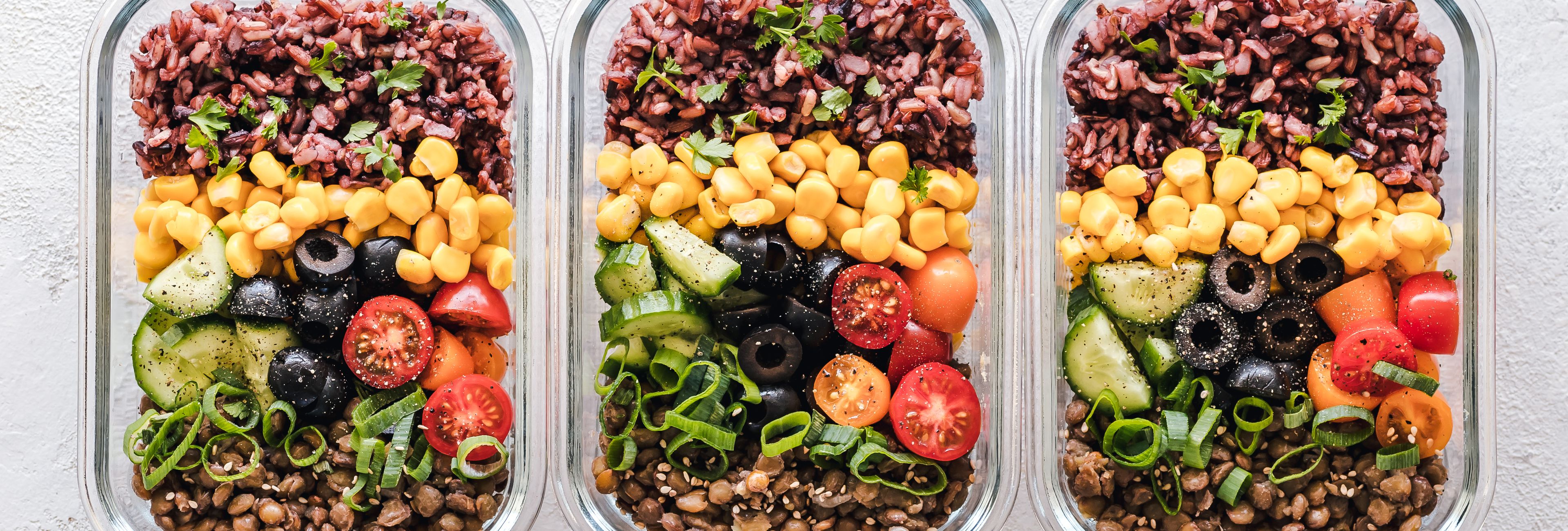
Batch cooking is the only realistic way to maintain high protein intake while living a normal life. Sunday meal prep, where you cook enough chicken, rice, and vegetables for several days, removes the daily decision-making friction that leads to fast food and convenience food failures. Invest in good meal prep containers. Buy proteins in family packs and cook them all at once. Roast two chickens instead of one. Make a big pot of lentil soup. The time investment up front pays dividends all week.
Protein supplements fill gaps but should not replace whole food protein sources as your primary strategy. Whey protein concentrate or isolate is convenient for post-workout windows when whole food is impractical, for breakfast on rushed mornings, or for hitting protein targets on particularly light eating days. Protein bars work in a pinch but typically deliver inferior protein-to-calorie ratios compared to whole food sources. Do not build your protein intake primarily around shakes and bars. That is a cope for people who will not cook.
Shopping strategy matters. Prioritize whole proteins over processed convenience foods. Buy chicken thighs and breasts on sale and freeze them. Stock up on eggs, cottage cheese, and Greek yogurt weekly. Frozen edamame, mixed legumes, and canned tuna are shelf-stable backup options when fresh food runs low. Your grocery bill should reflect your priorities, and protein sources should dominate the cart.
Eating out requires strategy. Restaurant portions tend toward carbohydrate and fat excess with inadequate protein. Order the protein-richest item on the menu and request modifications to increase protein content. Double meat at sandwich shops. Add extra chicken to salads. Many restaurants will accommodate requests for additional protein if you ask. Do not be shy about advocating for your nutrition goals.
The Bottom Line on High-Protein Foods
You now have the complete list. Animal sources like eggs, chicken breast, lean beef, Greek yogurt, and salmon form the backbone of an effective muscle-building diet. Plant sources like tempeh, tofu, legumes, and seitan serve those pursuing plant-based eating or seeking variety. Combine strategic meal timing with batch cooking infrastructure, and you have a system that will keep your protein intake dialed in year-round.
The guy who looks like he lifts but cannot be bothered to track his protein intake is leaving massive gains on the table. The guy who prioritizes his protein sources, meal preps on Sundays, and consistently hits his daily target is the guy who looks like he lifts in 12 months. This is not complicated. Execution is the differentiator. The information is right here. Time to put it to work.